Federal funding cuts are causing rural health care facilities to stop providing services—leaving many folks in the UP without access to care when they need it most.
As federal funding cuts cause more rural hospitals in the Upper Peninsula to close their doors, doulas like Lynnea Laessig of Wakefield are stepping up to fill the gaps in her community’s maternal health care.
Wakefield native Lynnea Laessig is worried about her neighbors.
With the closure of her local hospital’s labor and delivery unit in Ironwood, in addition to Medicaid funding cuts courtesy of the Republican-backed reconciliation bill earlier this year, Laessig, a doula, is concerned about the Michiganders who will have to travel even farther for reproductive health care.
For her neighbors in the Upper Peninsula, that includes traveling to nearby states, like Wisconsin and Minnesota, to have a baby.
“People can’t access care, and now they’re having to pay out of pocket for services and pay additional costs for travel,” Laessig said, adding that she can see expensive health care costs being a big problem for local families—many of whom were already living in poverty.
While the fight for reproductive health care access in rural communities is intensifying in maternity care deserts across Michigan, doulas like Laessig are helping fill the gaps that their communities are facing.
Related: Doulas are helping birthing families in Michigan more than ever
“That doesn’t mean that talking to me takes away from their medical care, but it adds that layer of support to fill in the gaps that they’re missing,” Laessig said.
“It’s always exciting to see how families need me to show up and then just do that—that’s always a win.”
Studies have shown that expectant mothers who receive support from a doula are four times less likely to have a baby with a low birth weight, two times less likely to experience a birth complication involving themselves or their baby, and are more likely to initiate breastfeeding.
While she helps Michiganders through every stage of their pregnancy through her organization, Healing Birth, Laessig specializes in postpartum care. This type of care includes providing physical and emotional support after the baby is born, helping families ease into their new responsibilities.
“I have found a lot of families, moms in particular, don’t want to accept help. I get a lot of, ‘my husband can do this,’ but that doesn’t consider the fact that dads often go back to work within the first week after birth,” Laessig said.
“I like to be a person who can come in and give dad that time, too. Like, your family is taken care of while you’re gone, and you don’t need to come home and play catch-up—you can just enjoy your family.”
Maternal health experts agree—moms who have access to postpartum care report reduced rates of postpartum depression and improved overall health outcomes for themselves and their families.
The continued physical, emotional, and mental support that doulas provide to their communities is why Gov. Gretchen Whitmer included doula services for Medicaid recipients as part of her “Healthy Moms, Healthy Babies” initiative in 2023, and expanded it to create the Michigan Doula Initiative—connecting more pregnant Michiganders with a statewide network of birth doulas.
The overall impact that doulas have had on communities is also why the Rural Policy Action Report, created by a coalition of rural-minded organizations and local elected officials from across the US, recommends that states fund workforce development programs for midwives, doulas, nurse practitioners, and community health workers through federal grants to build a sustainable rural reproductive health worker base.
While the call for doulas is coming from across Michigan, Laessig says she’s committed to staying and helping communities in the Upper Peninsula, especially as families continue to face barriers to maternal health care.
“If I left just because of opportunities, everyone else who calls this place home would have one less resource,” said Laessig.
“This just feels like home.”
Related: Michigan doula finds ways to help moms and babies living in maternity deserts in rural SW Michigan
Author

Support Our Cause
Thank you for taking the time to read our work. Before you go, we hope you'll consider supporting our values-driven journalism, which has always strived to make clear what's really at stake for Michiganders and our future.
Since day one, our goal here at The 'Gander has always been to empower people across the state with fact-based news and information. We believe that when people are armed with knowledge about what's happening in their local, state, and federal governments—including who is working on their behalf and who is actively trying to block efforts aimed at improving the daily lives of Michigan families—they will be inspired to become civically engaged.


These two southeast Michigan moms want to fight for their communities—so they’re running for office
As Republican lawmakers try to cut maternal health care resources in Michigan and beyond, these ‘Ganders are pushing back—by trying to replace...

This Detroit community is helping its neighbors recover with abortion after care event
“At the end of the day, it’s going to be a community that pours into one another, especially when things get hard.” As attacks on abortion and...

Planned Parenthood extends telehealth to 7 days a week in Michigan due to growing demand
“For many of our patients, telehealth is literally lifesaving.” In response to the escalating attacks on sexual and reproductive health care...
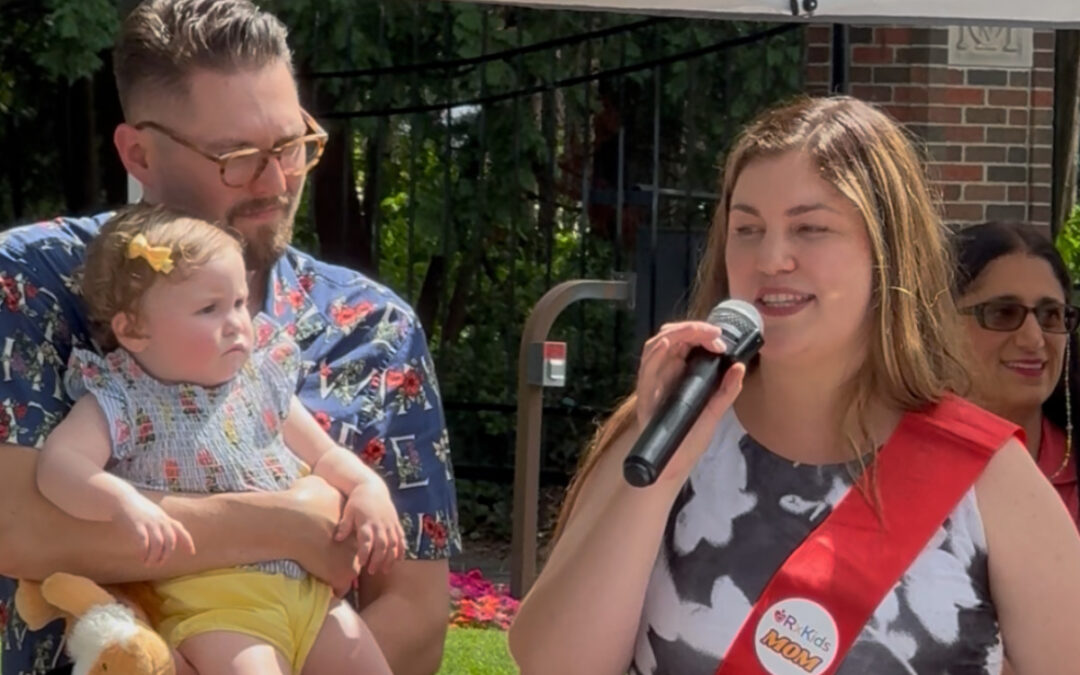
Babies on parade: Flint families share resources and stories during citywide celebration
At the center of the celebration, Celeste Lord-Timlin discusses how she and her family were able to set themselves up for success thanks to the Rx...
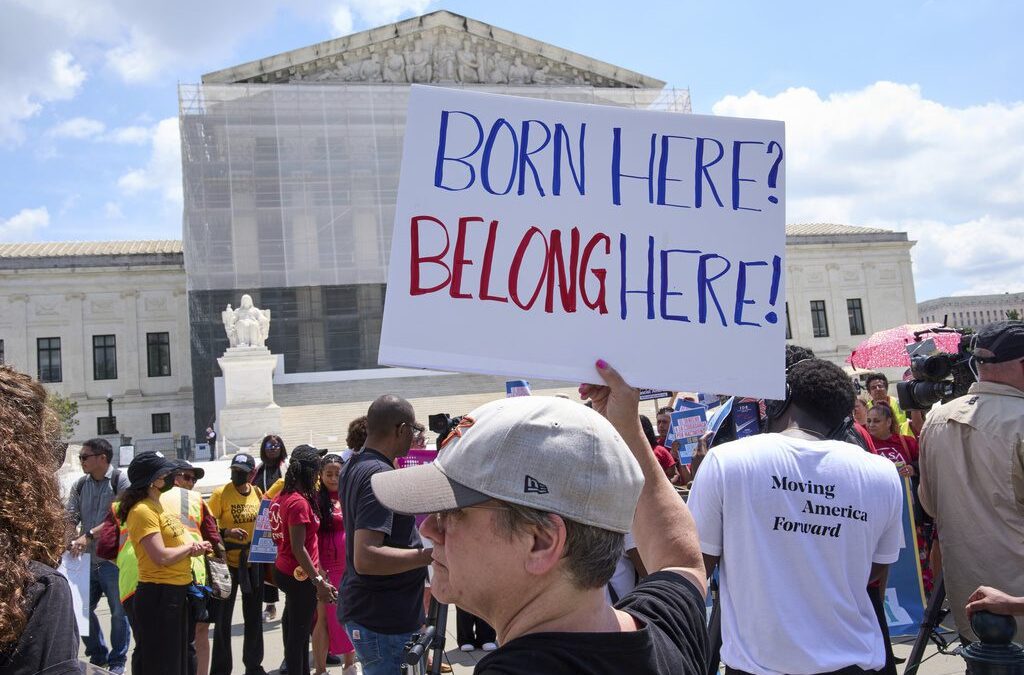
Supreme Court limits nationwide injunctions, but fate of Trump birthright citizenship order unclear
WASHINGTON (AP) — A divided Supreme Court on Friday ruled that individual judges lack the authority to grant nationwide injunctions, but the...