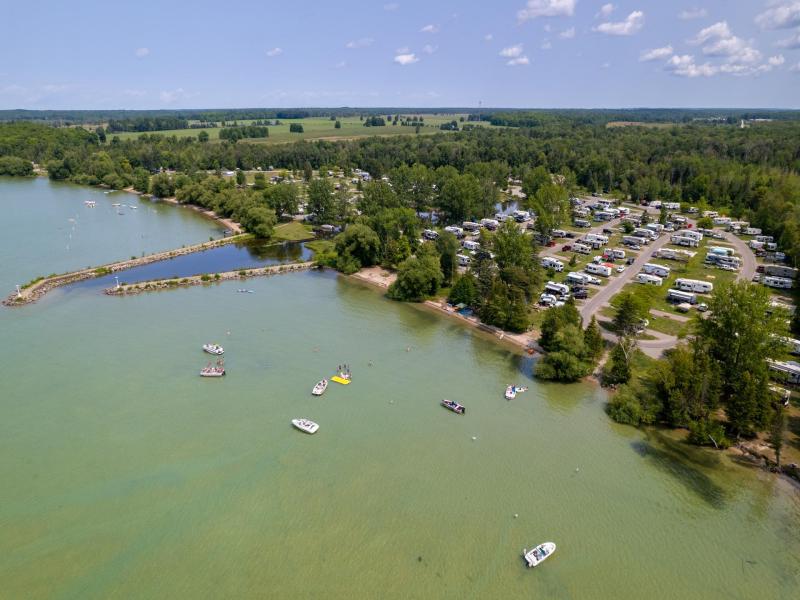
From the Keweenaw Peninsula to the Ann Arbor Area, rural northeast Michigan and beyond, Michigan offers a variety of lakes where you can unwind in the state’s great outdoors and discover often-forgotten local histories.
Statewide, there are more than 11,000 inland lakes, according to the Michigan Department of Natural Resources. The DNR provides maps on around 2,700 of the lakes, but among all of Michigan’s inland water, we found 10 worth an extra look this summer.
“Michigan’s Great Lakes attract plenty of attention. But there are more than 11,000 small inland lakes within Michigan’s borders, with plenty of opportunities for outdoor recreation. Whether your idea of a perfect lake getaway includes a sailboat or ice fishing gear, a kayak or a picnic basket, there’s plenty of reason to visit Michigan’s inland lakes,” Pure Michigan says.
The state is also surrounded by four of the five Great Lakes, giving it the longest freshwater coastline of any US state, the DNR noted.
From Caribbean blue waters to sandy beaches, here are 10 Michigan lakes worth putting on your must-visit list.
Torch Lake boasts Caribbean-like waters
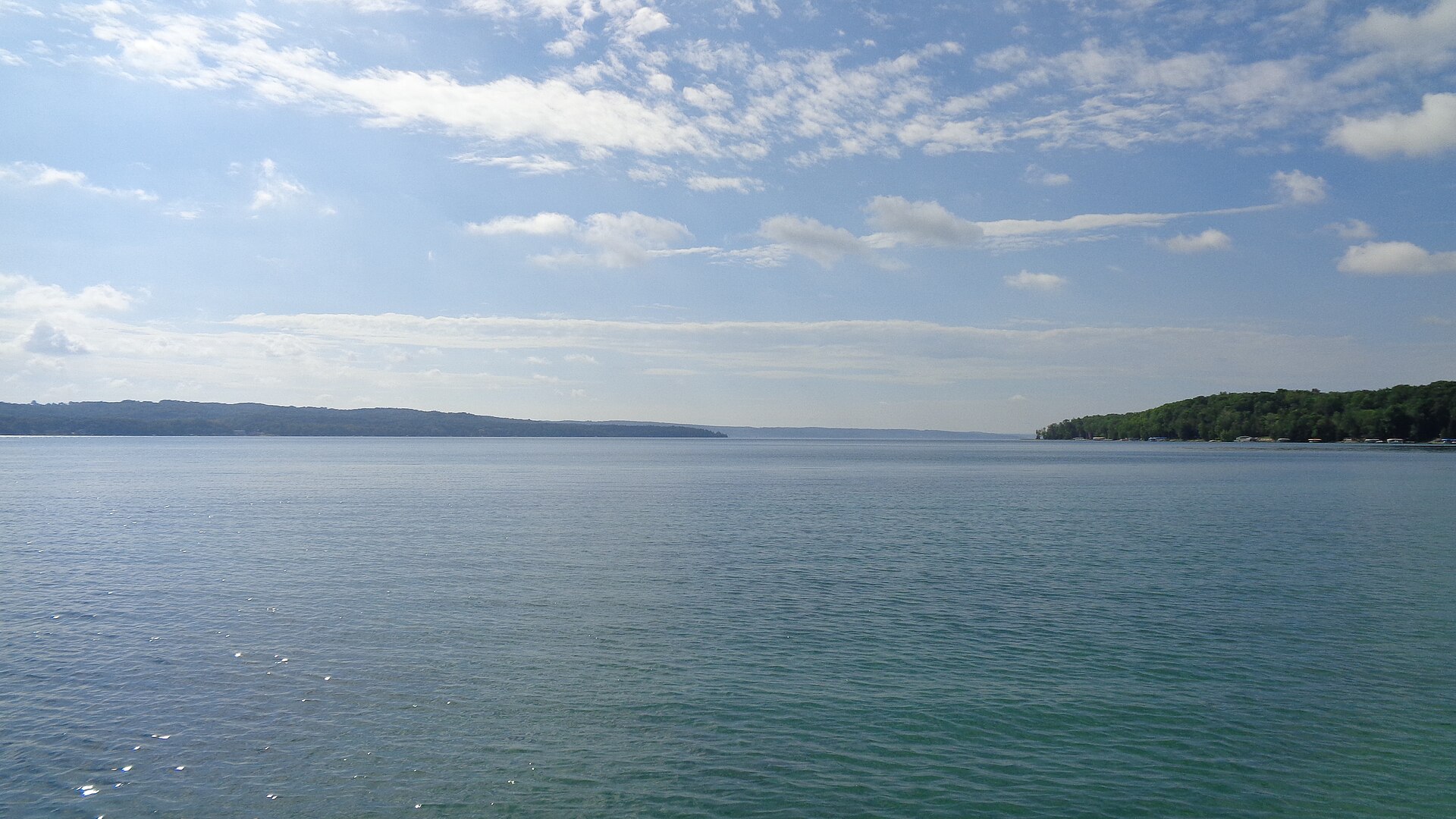
Torch Lake, Michigan’s longest inland lake at 19 miles, sits east of the Grand Traverse Bay between Elk Rapids and Bellaire in northwest Michigan. The lake is a prime summer destination, drawing in thousands of visitors with its Caribbean blue-turquoise waters.
“As the sun dances across the water, Torch Lake transforms into a mesmerizing canvas. The gradient of blues — from cerulean near the shore to deep sapphire in the middle — creates a visual symphony. Capture this natural masterpiece with your camera, and let the colors tell stories of tranquility and wonder,” the Michigan Bed and Breakfast Association says.
Each year, tourists flock to the lake for swimming and boating, or, to sunbathe on its broad, shallow sandbar where hundreds of boaters gather during warm summer days.
Mullett Lake, home to Michigan’s iconic lake sturgeon harvest
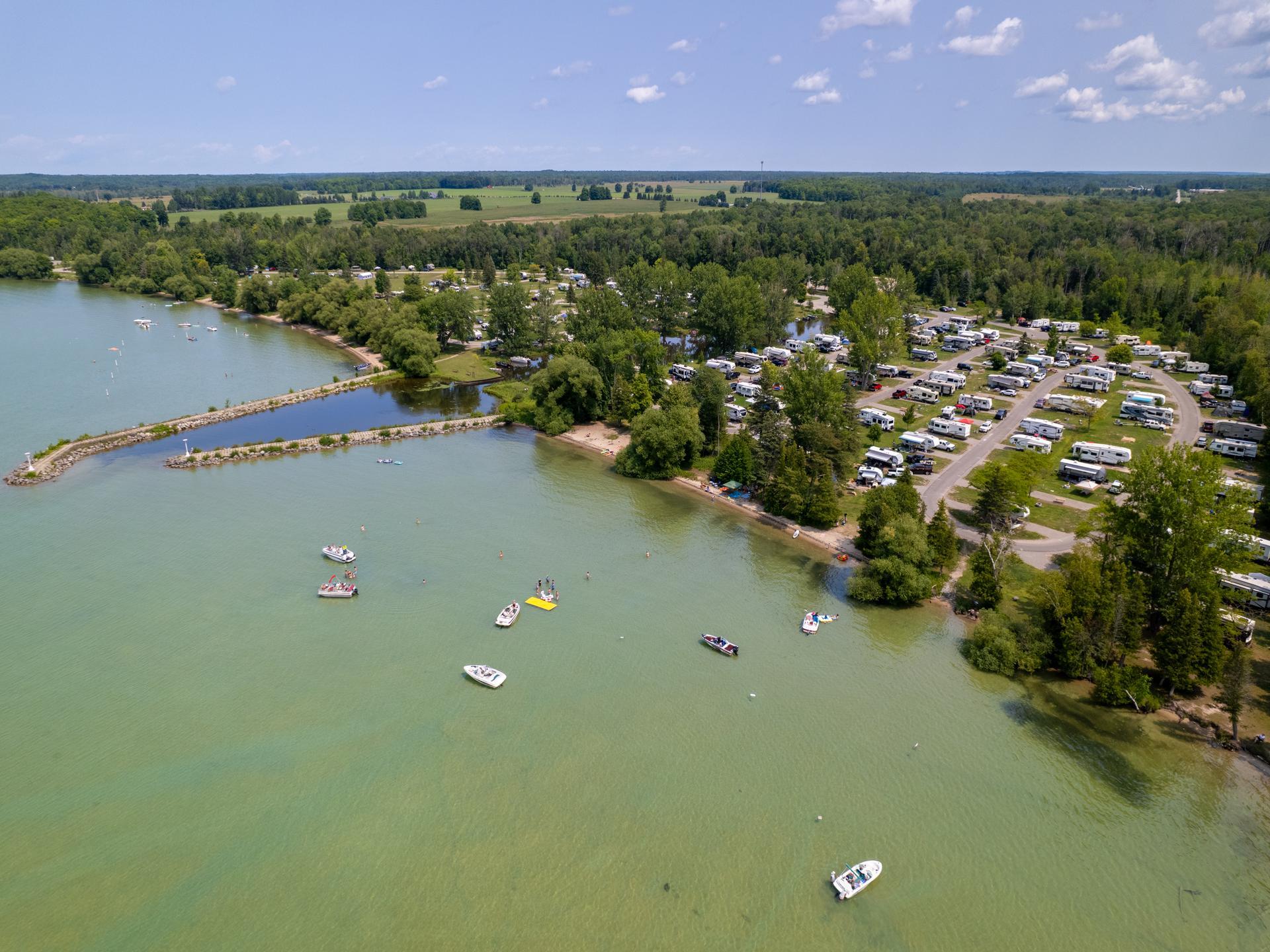
Located between Indian River and Cheboygan in northeast Michigan, Mullett Lake is Michigan’s fifth-largest inland lake and plays a key role Michigan’s lake sturgeon harvest.
The lake boassts the state record for a legally harvested lake sturgeon at 193 pounds and 88 inches in 1974, according to the Michigan Department of Natural Resources. The fish is one of the oldest species on the Great Lakes and state officials are rehabilitating its population following a dramatic decline prompted by habitat loss, degradation and overfishing.
Mullett Lake is part of the Inland Waterway, a chain of rivers and lakes that allow boaters to travel from Lake Huron at Cheboygan all the way to near Petoskey, according to the Michigan DNR.
The water trails connect seven state parks; numerous campgrounds, day-use parks, and resorts; 20 Little Traverse Conservancy Nature Preserves, and six communities with Mullet Lake right in the middle of it all.
Gun Lake shares name, cultural ties with nearby tribe
Southwest Michigan’s Gun Lake sits between Grand Rapids and Kalamazoo, and is about 10 miles east of the Match-E-Be-Nash-She-Wish Band of Pottawatomi, or Gun Lake Tribe’s reservation.
The band settled in Bradley near Gun Lake in 1838, resisting forced removal plans, the tribe’s website explains.
Today, Gun Lake beckons visitors with lakefront lodging, local eateries and shopping, and outdoor recreation. The Yankee Springs Recreation Area is nearby, though its boating access site is closed and road closures/detours are in effect amid a drawdown of Hall Lake Dam.
Just down the road, you can play the numbers and book at stay at the Gun Lake Casino Resort.
The Yankee Springs Recreation Area sits along the lake offering bogs, marshes and tranquil lakes, hiking, mountain biking and horseback riding trails. Two buoyed swim areas invite relaxation, while picnic shelters and accessible fishing piers provide comfort and convenience, the park website notes.
The lake also includes an Allegan County park, formerly known as the East Side Park, with more than 450 feet of beach, a playground, a basketball court, picnic tables, grills, a covered pavilion, and modern restroom facilities. Most of these amenities are ADA accessible.
Grand Lake welcomes visitors to historic hotel, homestead
Presque Isle County’s Grand Lake is adjacent to the Lake Huron coastline in northeast Michigan, a scenic spot for fishing and boating and home to historic lakefront properties.
The Kaufmann Homestead & Park, managed by the Grand Lake Association, features an artisan market and gallery, events with live music, and tours to learn about local history. Built by German-born John Kaufmann, the 19th-century log cabin is a Michigan Historic Site and popular tourist attraction.
“Built in the 1880 under The Homestead Act of 1862 by early settler John Kauffman, this historic log cabin is a reminder of our pioneer heritage and the strong roots of our community,” the association’s website says.
About 1 mile south, you’ll find the historic Grand Lake Hotel, operating since 1912. The venue is open for summer rentals and can be booked for special events, weddings, rehearsal dinners, corporate parties, family gatherings and celebrations.
“In 1911 successful Lansing milliner Bliss Stebbins began construction on the Grand Lake Hotel which opened in 1912,” the hotel’s website says.
The hotel is now operated by Christopher Cooper, a descendant of former hotel patrons, and his wife Ruth Cooper, per the hotel’s website.
Not far away is the old Presque Isle Lighthouse which is open to visitors.
Lac La Belle recalls Keweenaw copper country era
French for beautiful lake, Lac La Belle is located in the northern Keweenaw Peninsula in the Upper Peninsula, near the Lake Superior coast. Once in the heart of copper country, mines and a railroad surrounded the lake.
Despite multiple 19th century efforts, the area proved unsuccessful for copper mining. During that era, several companies operated copper mines, among them the Delaware Mine and, from 1907 to 1918, a railroad even passed nearby.
“Lac La Belle was once the site of a stamping plant for the Delaware and Mendota copper mines back in it’s hay day but now resembles a small resort area with some big attractions,” Visit Keweenaw says.
The lake, east of US 41, is now a popular spot for boating and fishing, boasting walleye, small and large mouth bass, perch, northern pike and more.
The Mount Bohemia ski resort sits just north of the lake. Also nearby are numerous nature preserves, copper mine ruins, Copper Harbor, beaches to search for agates, and the famed Brockway Mountain Drive.
Crystal Lake sits near Sleeping Bear Dunes National Lakeshore
Northwest Michigan’s Crystal Lake, near Frankfort, lies just south of the Sleeping Bear Dunes National Lakeshore, a prime summer destination, and is the state’s ninth-largest inland lake at about 10,000 acres.
The national lakeshore spans 35 miles of Lake Michigan shoreline, featuring massive sand dunes, beaches, forests, islands, camping, a historic lighthouse, and more.
Crystal Lake and its surrounding towns offers visitors sandy beaches, lakefront lodgings, dining at local eateries, shopping, walking trails, a yacht club, parks, churches and a science museum.
“Crystal Lake and the surrounding townships are beloved by those who love Michigan’s raw and natural beauty and the rurality of Northern Michigan. On sunny days, the turquoise hues of the lake rival that of the Caribbean. You’ll discover endless opportunities for boating, fishing, swimming, water skiing, tubing and beyond. There’s nothing more refreshing than a dip in Crystal Lake on a hot summer afternoon,” Sunkissed Hills, a Crystal Lake cottage development, said.
Crystal lake lies just off US 31 and not far from the Point Betsie Lighthouse.
Higgins Lake offers two state parks
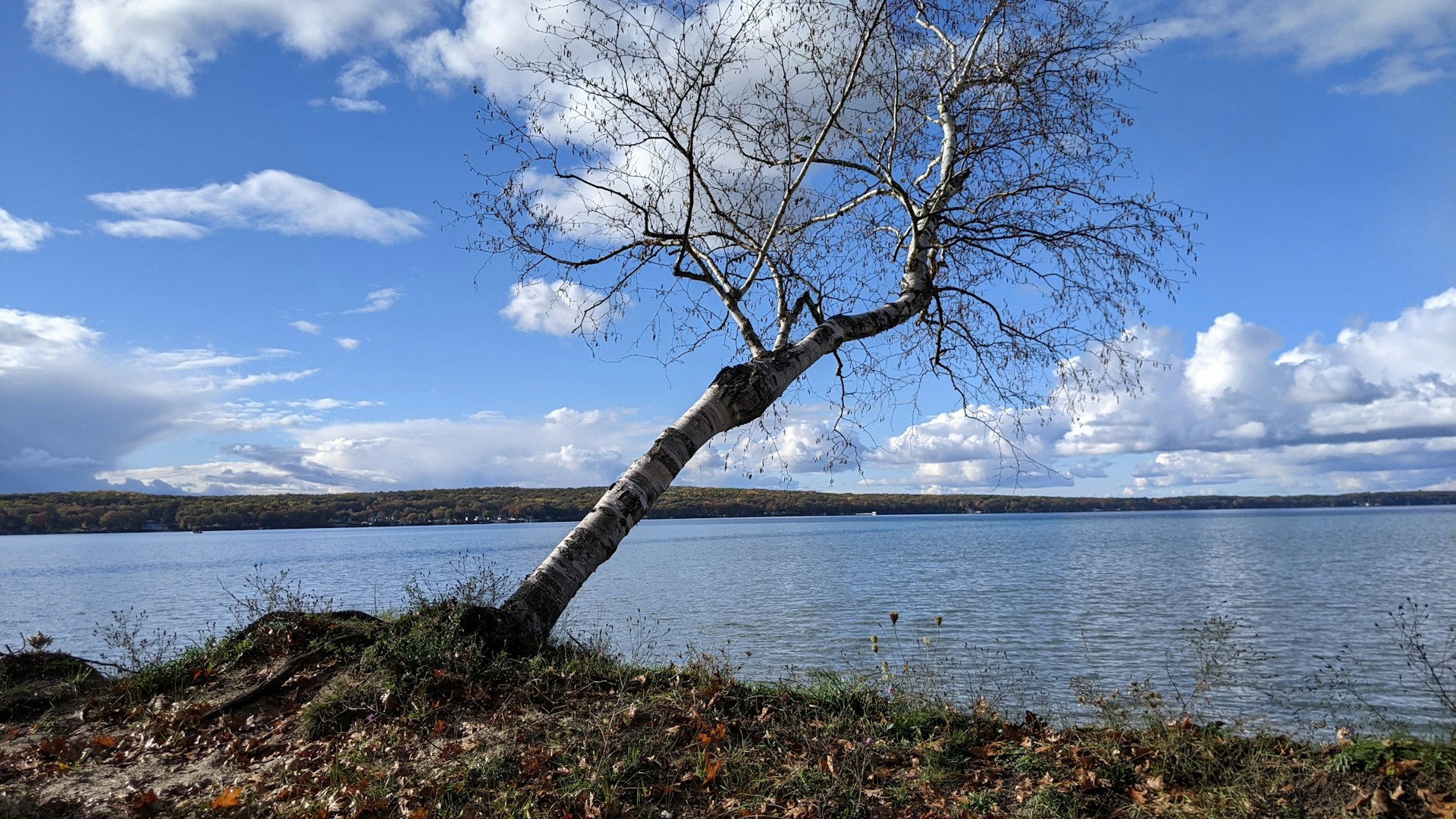
About 14 miles south of Grayling, Northern Michigan’s Higgins Lake is the 10th -argest lake in the state and the home of two state parks, North Higgins Lake State Park and South Higgins Lake State Park, according to the Michigan DNR.
The lake’s deep, clear-blue waters present an ideal summer getaway filled with swimming, fishing for local species, jet skiing, boating, canoeing or kayaking, and its sandy beaches are perfect for sunbathing or sandcastle-building.
North Higgins Lake State Park sits along the lake’s north shore and includes a modern campground, mini cabins, boating access site, a swimming beach, picnic area and hiking trails. The park is on the former site of the world’s largest seedling nursery, and features a museum to the state’s first tree nursery.
South Higgins Lake State Park includes 1 mile of Higgins Lake shoreline, a wide, shallow sandy swimming area, one of the largest state park campgrounds, along with a popular boat launch and day-use area, the Michigan DNR noted.
Idlewild Lake once known as ‘Black Eden of Michigan’
About 16 miles west of Reed City in Northern Michigan sits Idlewild Lake and the surrounding unincorporated community of Idlewild, famous as an early 20th century African American resort destination.
In an era of racial segregation, Idlewild offered a rare safe haven for Black tourism, founded in 1912, the town’s website says. At its peak, the area featured over 300 Black-owned businesses and drew nearly 25,000 visitors per year.
“Carved out of the Manistee National Forest, this premier African American resort community featured various hotels, clubhouses, entertainment venues, and places of worship around Idlewild Lake and Paradise Lake. The heart of all the activity was ‘The Island’ or Island Park, which boasted a bathing beach, a ‘parlor,’ clubhouse, dance pavilion, cottages, The Flamingo, and Hotel Giles,” Idlewild’s website says.
While the passage of the 1964 Civil Rights Act and discontinuation of the local train service brought Idlewild’s decline, nearly 1,000 residents remain. Visitors to Idlewild Lake today can find lakefront lodging and dining, historic markers and former tourist attractions, sandy beaches, picnic areas, boating and swimming.
The 105-acre lake is about 33 feet deep, has two boat launches and is known for bluegill, crappie, bass, pike and perch fishing. The area is near the Pere Marquette State Forest, which offers a variety of trails and other recreation opportunities.
Big Manistique Lake forms part of UP’s largest lake complex
Located near Curtis in the eastern UP, Big Manistique lake is a part of the largest lake complex in the UP.
The five other lakes in the complex are North and South Manistique lakes, Milakokia Lake, Lake Ann Louise and Millecoquins Lake, according to the Manistique Lakes Area Tourism Bureau.
Big Manistique Lakes is 10,000 acres while the rest range from 300 to a little less than 2,000 acres.
“If you enjoy fishing as a sport, hobby or pastime, you will find Big Manistique Lake an incredible place to drop a line any time of year. The shores of this lake are populated by commercial and private residences,” the Manistique Lakes Area Tourism Bureau says.
The Lakes provide a variety of cool water fish which include muskie, pike, walleye, bass, perch, bluegill, sunfish, and bullheads. Rivers and streams add in trout and steelhead.
Visitors can stay at lakefront accommodations, and head out on the water to reel in a catch or enjoy a day of tubing, canoeing, kayaking or boating.
About an hour’s drive in each direction will take you to popular destinations like Tahquamenon Falls State Park or Munising, and the Pictured Rocks National Lakeshore. The area also is not far from the Seney National Wildlife Refuge. South Manistique Lake is home to a state forest campground.
Ford Lake made to power Ford Motor Plant
Situated in southeast Michigan’s Ypsilanti Township, Ford Lake is a man-made lake created when Henry Ford built the Ford Lake Dam and powerhouse in the 1930s.
“The Ford Lake Dam and powerhouse was built in the 1930s by Henry Ford to supply electricity to the Ypsilanti Ford Motor Plant for the purpose of manufacturing automobile parts. In 1969, the Ford Motor Company gifted the dam and powerhouse along with about 1,000 acres of land to the City and Township of Ypsilanti,” Ypsilanti township’s website says.
Ford Lake is now surrounded by housing and apartments, parks, outdoor sporting areas, a hotel, and in the surrounding community, local eateries, businesses and churches.
This article originally appeared on Detroit Free Press: Michigan has thousands of inland lakes. These 10 are worth a visit
Reporting by Jenna Prestininzi, USA TODAY NETWORK / Detroit Free Press
USA TODAY Network via Reuters Connect