MICHIGAN—Nearly 50 state lawmakers from both parties say they want answers about how a convicted sex trafficker spent years as a welcomed donor at one of the country’s most prestigious youth arts institutions. And a new resolution would let them demand exactly that.
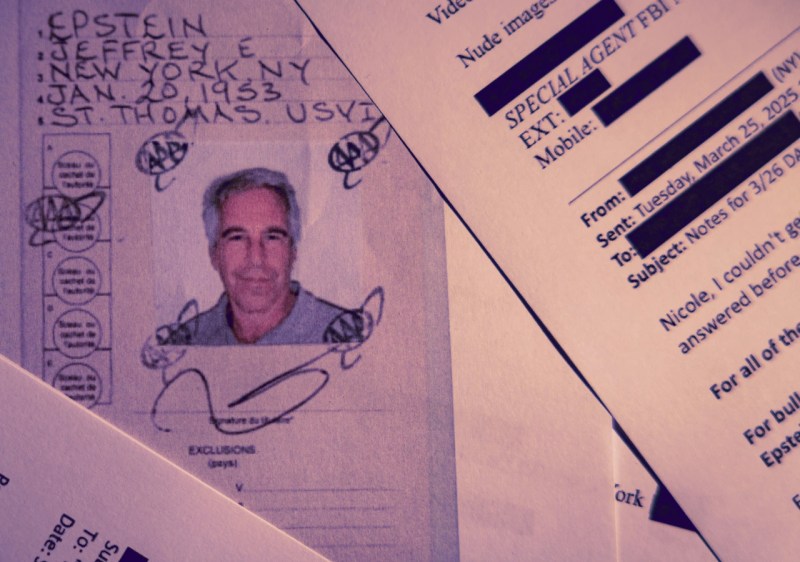
A bipartisan resolution introduced this month in the Michigan House of Representatives would create a special select committee to investigate the Interlochen Center for the Arts and its long-documented relationship with Jeffrey Epstein, the infamous financier and serial predator who died in a Manhattan jail cell in 2019 while awaiting federal sex trafficking charges.
House Resolution 284 was sponsored by state Rep. Penelope Tsernoglou (D-East Lansing) and 44 colleagues—including three Republicans. It was referred to the Government Operations Committee on April 16. If passed by the full state House, it would create a new, six-member committee with real teeth: the power to administer oaths, subpoena witnesses, and compel the records of corporations, state agencies, and individuals connected to the investigation.
“Was anyone at the camp responsible for Epstein and what he was doing during those stays?” Tsernoglou said in a release. “Was he just allowed to roam free because he was a major benefactor? These are extraordinarily concerning questions that, to my knowledge, we have never gotten answers to.”
How Epstein got in the door
Epstein reportedly attended Interlochen’s summer camp as a teenager in 1967. He returned as a donor in 1990, eventually contributing nearly $500,000 to the school over more than a decade. He funded a cabin on campus—named for himself—which came with two weeks of annual on-site access. He also brought Ghislaine Maxwell, his eventual co-conspirator, with him.
Federal records released by the US Department of Justice last year identified Interlochen as the place where Epstein and Maxwell met their first known victim—a 13-year-old girl attending the summer arts camp in 1994. A lawsuit also describes a years-long pattern of grooming and sexual abuse that started with an inappropriate request for the girl’s phone number on campus.
Interlochen cut ties with Epstein after his 2008 Florida conviction, removed his name from the cabin—now called the Green Lake Lodge—and says two internal reviews, conducted in 2009 and 2019, found no complaints or concerns reported to the institution. The school says it has cooperated with federal investigators and will respond to any legislative inquiry “as appropriate.”
Tsernoglou says that’s not enough.
“To be honest, I was completely shocked when I found out how deeply rooted the apparent connections between Epstein and Interlochen were,” Tsernoglou said in a statement. “Not only was Epstein a donor, but because he donated a cabin named after himself, he was also allowed to stay on campus for 2 weeks a year for a number of years. One cannot help but wonder: did he donate a cabin so that he would have more unfettered, unsupervised access to children?”
Michigan needs journalism like this. Covering the stories that matter takes time and resources. Help us keep doing it by making a small contribution to The ‘Gander today.
What lawmakers want to know
The resolution also points to allegations that go beyond Epstein. Several Interlochen alumni have alleged that former faculty members engaged in sexual misconduct in the 1960s and 1970s. The committee would be authorized to investigate those allegations in more detail.
The financial angle matters, too. Interlochen has received state funds in the past and could receive more in the future. The resolution frames the investigation as a matter of legislative oversight: Michigan taxpayers have a right to know whether public money went to an institution that may have, knowingly or not, given a predator access to children, the resolution states.
The proposed committee would report its findings to the full state House, along with recommendations for legislative action—including new laws “to protect the public health and general welfare of the people of the state and, in particular, to ensure the safety of our children.”
Tsernoglou said she’s “optimistic” the resolution will pass—though she’s still encouraging Michiganders to contact their own state representatives and ask whether they’ve signed on.
“Thanks to the many brave survivors who have spoken up about past abuses, and to excellent investigative reporting, I believe that we have a unique opportunity here to show the people of our state that we will not tolerate any instances of child sexual abuse,” Tsernoglou said.
READ MORE: 8 Michigan ties in the Epstein files
Don’t miss Michigan’s biggest stories—follow The ‘Gander on Instagram.