MICHIGAN—For decades, the federal government has classified marijuana alongside heroin, a Schedule I controlled substance with no accepted medical use and a high potential for abuse.
That changed last week.
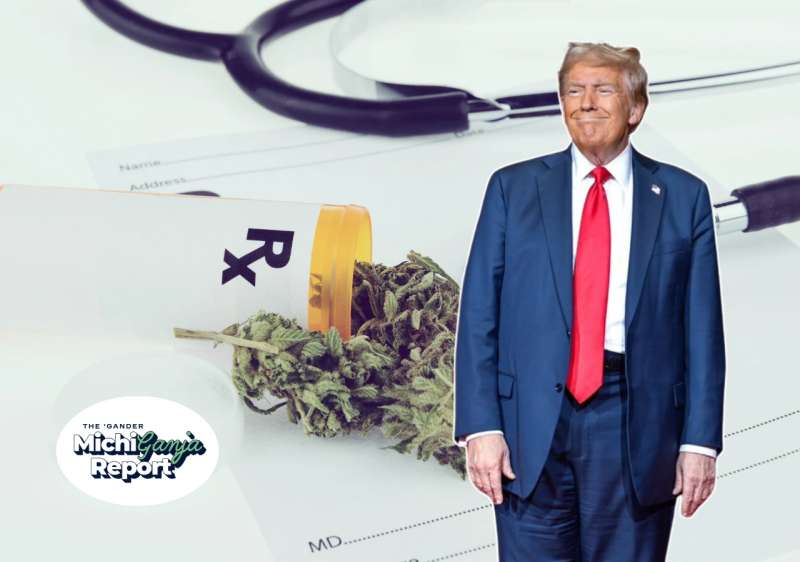
Acting US Attorney General Todd Blanche signed an order reclassifying state-licensed medical marijuana as a Schedule III drug—the same category as ketamine and some anabolic steroids—marking the most significant shift in federal cannabis policy in more than 50 years.
It’s been widely billed as a historic shift. But for most Michiganders who consume cannabis on a regular basis, it probably won’t change much about their next dispensary run.
What the order actually does
The order doesn’t legalize marijuana under federal law. It doesn’t decriminalize it. And it doesn’t override the patchwork of state laws that govern how and where cannabis can be sold.
Instead, it simply acknowledges something that most states have known for years: marijuana has legitimate medical value and doesn’t belong in the same regulatory bucket as heroin.
“The Department of Justice is delivering on President Trump’s promise to expand Americans’ access to medical treatment options,” Blanche said in a press release announcing the order. “This rescheduling action allows for research on the safety and efficacy of this substance, ultimately providing patients with better care and doctors with more reliable information.”
For now, the reclassification applies only to state-licensed medical marijuana. Recreational cannabis—even in states like Michigan where it’s fully legal—remains a Schedule I substance.
President Donald Trump’s administration also announced a hearing scheduled for June 29 where officials will consider reclassifying marijuana more broadly. That could extend some new legal benefits to recreational markets. It’s something worth watching. But it hasn’t happened yet.
Why businesses are celebrating
If you want to understand why the cannabis industry is celebrating this recent order and the possibility of broader reclassification, then you need to know about IRS rule 280E.
Because marijuana has been classified as a Schedule I drug, that federal rule has barred cannabis companies from deducting normal business expenses—like rent, labor, marketing, and advertising—on their federal taxes. The result is an effective tax rate that can exceed 70% for some operators. It’s one of the most punishing financial realities of the cannabis business.
Reclassifying medical marijuana to Schedule III effectively kills 280E for state-licensed medical operators, delivering immediate and significant tax relief to those still operating in that space.
There are complications, though. Many Michigan dispensaries operate in both the medical and recreational markets, making it difficult to separate which expenses are tied to which side of the business. Some attorneys have already flagged this as a mess that could take years to sort out.
The Michigan irony
In Michigan, the number of businesses who would benefit from this tax relief is shrinking.
In March 2021, Michigan’s medical marijuana market generated about $48 million in sales. Last month, that number had collapsed to just $400,000—representing a drop of more than 99%. Today’s medical market is virtually non-existent. And it’s not hard to understand why.
When cheap, recreational weed became widely available in Michigan with more than 800 dispensaries statewide, most consumers simply stopped bothering with the medical program.
Getting a medical card requires a doctor’s recommendation, an application, and an annual renewal fee. When you can walk into virtually any dispensary in the state and buy the same products without any of that hassle, the math stops making sense for most people.
And dispensaries have noticed. Fewer than 100 Michigan dispensaries are still licensed to sell medical products. Many operators have quietly dropped their medical licenses altogether, choosing to focus entirely on the recreational market where most of their customers shop.
So while the federal government is celebrating a historic breakthrough for medical marijuana, Michigan’s medical marijuana market has effectively already made its exit.
What it means for consumers
If you’re a recreational cannabis consumer in Michigan—which, statistically, you probably are—this order changes very little about your day-to-day experience with marijuana.
Weed is still legal in Michigan. Your local dispensary is still operating under state law. You still can’t legally cross state lines with cannabis. And TSA agents still technically care about your edibles, even if nobody’s actually digging through your carry-on to find your bedtime gummies.
The reclassification also doesn’t touch on criminal penalties for marijuana possession or sales, leaving thousands of people still serving federal sentences for cannabis-related offenses without any clear path to relief. Advocates have been quick to point that out since the order dropped.
The bigger picture
It’s worth remembering that this moment didn’t come out of nowhere.
President Joe Biden’s administration began the reclassification process in 2024. And Trump, despite being surrounded by Republican senators who signed a letter last year formally urging him to keep marijuana a Schedule I drug, is still pushing to finish the job.
The June 29 hearing on broader reclassification is the next step. If recreational weed gets moved to Schedule III, the tax relief would extend across Michigan’s entire cannabis market—marking a much more consequential development for both businesses and consumers.
Still, last week’s move matters. Because now that the federal government has acknowledged that marijuana has medical value, it becomes harder to justify treating it like contraband indefinitely. Michigan already got there on its own. The feds are just catching up.
READ MORE: One man rolls thousands of joints so Michigan can crown its best weed

Want more Michigan cannabis news, product picks, and culture? Click here to sign up for The MichiGanja Report, our free weekly newsletter about all things marijuana.