The story of Frankenmuth begins in the 1840s with a German Lutheran missionary named Frederick Wyneken. While working across the Midwest, Wyneken found that German settlers were experiencing difficulties due to a lack of churches and schools. So, he had the idea to write to his fellow Lutherans back in Germany with a request—come live in the Midwest to help the cause.
This struck a chord with Wilhelm Loehe, a pastor practicing in the Bavarian region of Germany, and he began formulating a strategy. Eyeing the Saginaw Valley in the young state of Michigan, his mission was twofold—to create a mission colony that could help give spiritual comfort to Germans in the area while also proselytizing to the local Native American community, according to the Frankenmuth Historical Museum.
After making arrangements with the pastor of an already-established settlement in Michigan, Loehe put the finishing touches on the plan for his mission colony. The settlement would be located along the Cass River just southwest of Michigan’s Thumb, and it would be named “Frankenmuth”—a combination of the German words “Franken,” after the province of Franconia in Bavaria, and “Muth,” meaning courage.
Loehe recruited 15 people to form the colony. He then selected August Craemer as the mission colony’s pastor and leader. On Apr. 5, 1845, their journey would begin.
The voyage to America was long and arduous. On the trip across the Atlantic alone, the travelers faced violent storms, dwindling food, and illness—along with the death of a two-year-old.
After 50 days of sailing, the group reached New York on Jun. 8. From there, the rest of the colonists’ journey included boarding two steamboats and a train until finally completing the final stretch to what is now Frankenmuth on Aug. 18. Purchasing $1,700 worth of Chippewa Indian Reservation land from the federal government, the settlers chose to build shelter in a hilly area that reminded them of their native town of Mittelfranken in Bavaria.
The following year saw the arrival of nearly 100 more German immigrants to the village, along with the construction of one of Frankenmuth’s most important sites—St. Lorenz Church (which still stands to this day). Year by year, more German settlers arrived in Frankenmuth, sometimes to the dismay of Loehe, who felt new arrivals weren’t there intending to be missionaries in their hearts.
Although part of their original mission was to proselytize to local Native Americans, only about 35 were baptized. The arrival of Frankenmuth’s settlers coincided with the ongoing mistreatment of Native Americans, and many Natives were forced by the government to relocate. Ultimately, the mission’s work wasn’t getting done—and it had to close.
Nonetheless, immigrants continued arriving in the area as Loehe helped build three more nearby German colonies—Frankentrost, Frankenlust, and Frankenhilf.
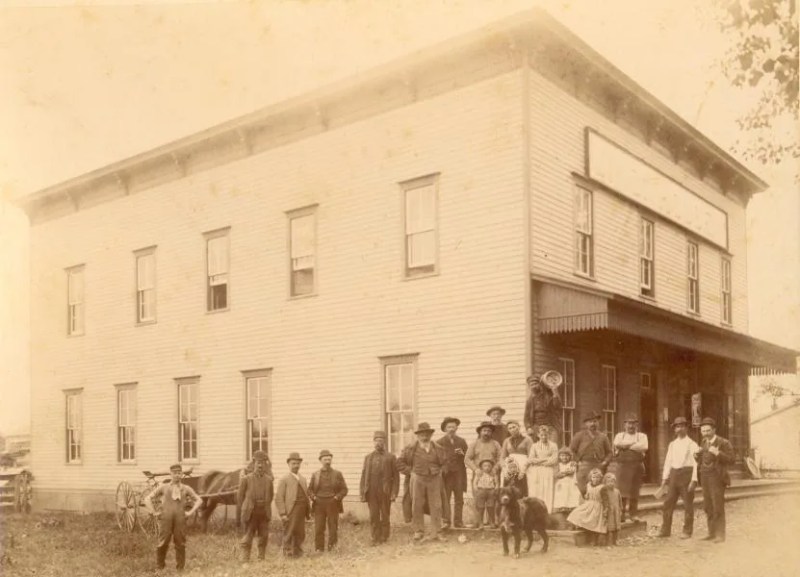
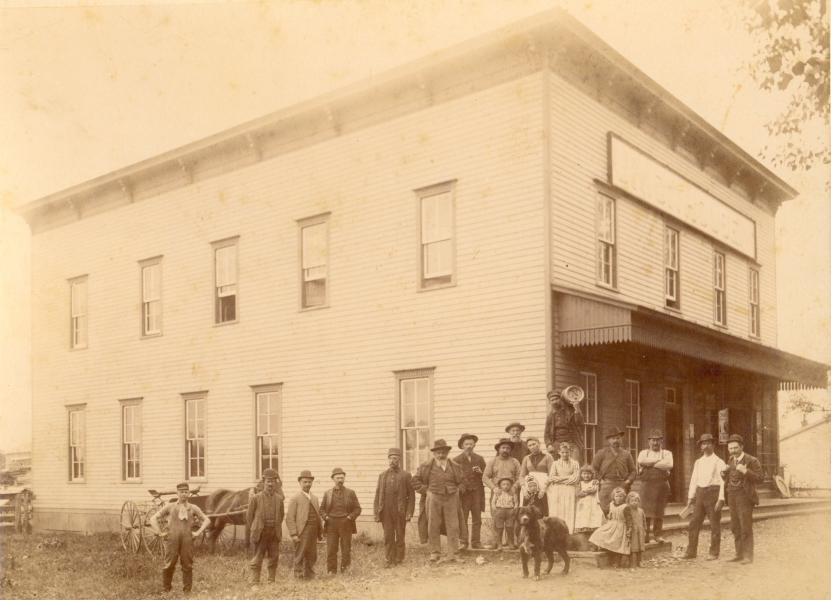
Over time, Frankenmuth’s most famous businesses—or their first iterations—also began to emerge. The Exchange Hotel (now modern-day Zehnder’s) was built in 1856, while the Fischer Hotel (now known as the Bavarian Inn) came just over three decades later in 1888.
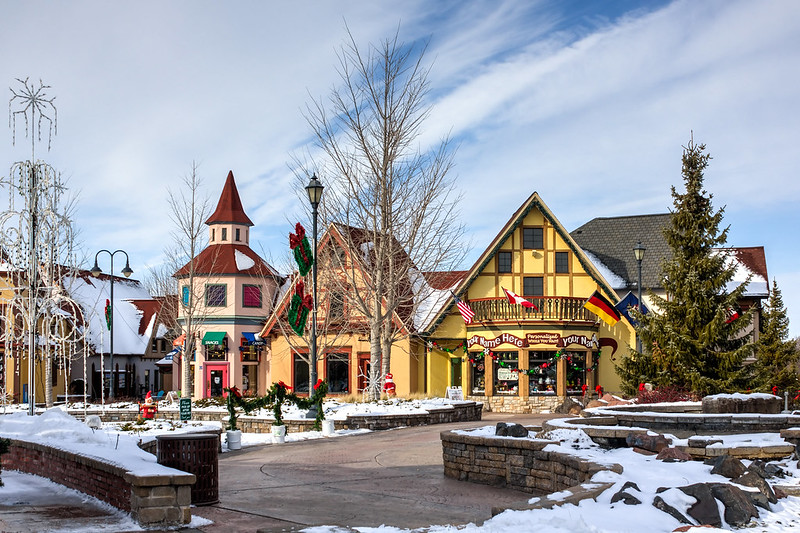
At the close of the 19th century, the original mission of Frankenmuth was no longer its priority, as the village would begin making a name for itself through its businesses, including hotels, mills, and agriculture. But a few developments decades later would help truly transform the town.
Read more: