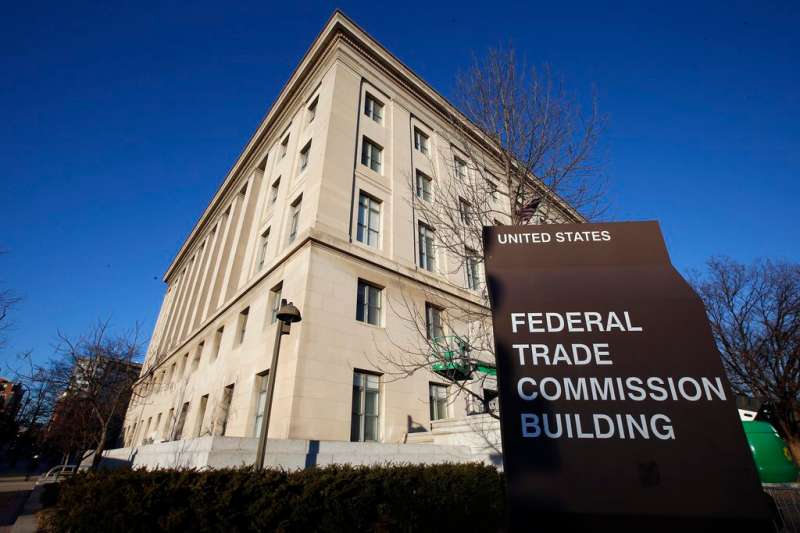
The Federal Trade Commission (FTC) voted on Tuesday to ban noncompete agreements—those pesky clauses that employers often force their workers to sign which effectively bar them from starting their own business or finding a new job in the same field within a certain area or timeframe after leaving their current job.
An estimated 30 million American workers are currently affected by noncompete clauses—that’s roughly 18% of the US workforce. These clauses have been shown to lower workers’ pay and restrict their opportunity and mobility.
The final rule agreed upon on Tuesday bans new noncompete agreements for the vast majority of American workers and requires employers to let current and past employees know they won’t enforce them going forward. Companies will now also be required to throw out existing noncompete agreements for most of their employees.
Existing noncompetes for senior executives, who represent less than 0.75% of workers, can remain intact under the new rule. Employers are banned, however, from entering into any new noncompete agreements with senior executives.
“Noncompete clauses keep wages low, suppress new ideas, and rob the American economy of dynamism,” FTC Chair Lina M. Khan said in a statement. “The FTC’s final rule to ban noncompetes will ensure Americans have the freedom to pursue a new job, start a new business, or bring a new idea to market.”
A poll taken last year by Data for Progress found that a bipartisan majority of voters support the banning of noncompete agreements.
More money for workers and more innovation
The FTC estimates that the rule will boost workers’ wages by up to $488 billion over the next decade, with earnings for the average American worker increasing by an additional $524 per year under the new rule.
The agency expects that banning noncompetes will also lower spending on physician services by between $74 billion and $194 billion over the next decade.
The final rule is also expected to help drive American innovation; the FTC estimates there will be 17,000 to 29,000 more patents filed each year over the next decade. Additionally, new business formation is expected to grow by 2.7% each year.
Unions and worker advocacy groups praised the FTC’s new rule on Tuesday.
“Noncompete agreements trap workers from finding better jobs, drive down wages, and stifle competition,” the American Federation of Labor and Congress of Industrial Organizations, the country’s largest labor federation, tweeted. “We commend the FTC and (Lina Khan) for finalizing a strong rule to ban these exploitative practices and level the playing field for American workers.”
Sandeep Vaheesan, legal director of the Open Markets Institute, a think tank that focuses on antitrust issues, said that with Tuesday’s vote, the FTC has “abolished a modern form of involuntary servitude.”
The new rule is scheduled to go into effect 120 days after it’s published in the Federal Register. The future of the rule is uncertain, however, as pro-business groups are expected to take legal action to prevent its implementation. The US Chamber of Commerce, for example, said that it will sue to block the rule shortly after Tuesday’s announcement from the FTC.
Chamber President and CEO Suzanne Clark called the FTC vote “a blatant power grab that will undermine American businesses’ ability to remain competitive.”
That lawsuit would be the latest standoff between corporations and the Biden administration, which has fought against corporate price gouging, hidden fees, and alleged anti-competitive behavior as the 2024 presidential election draws closer.