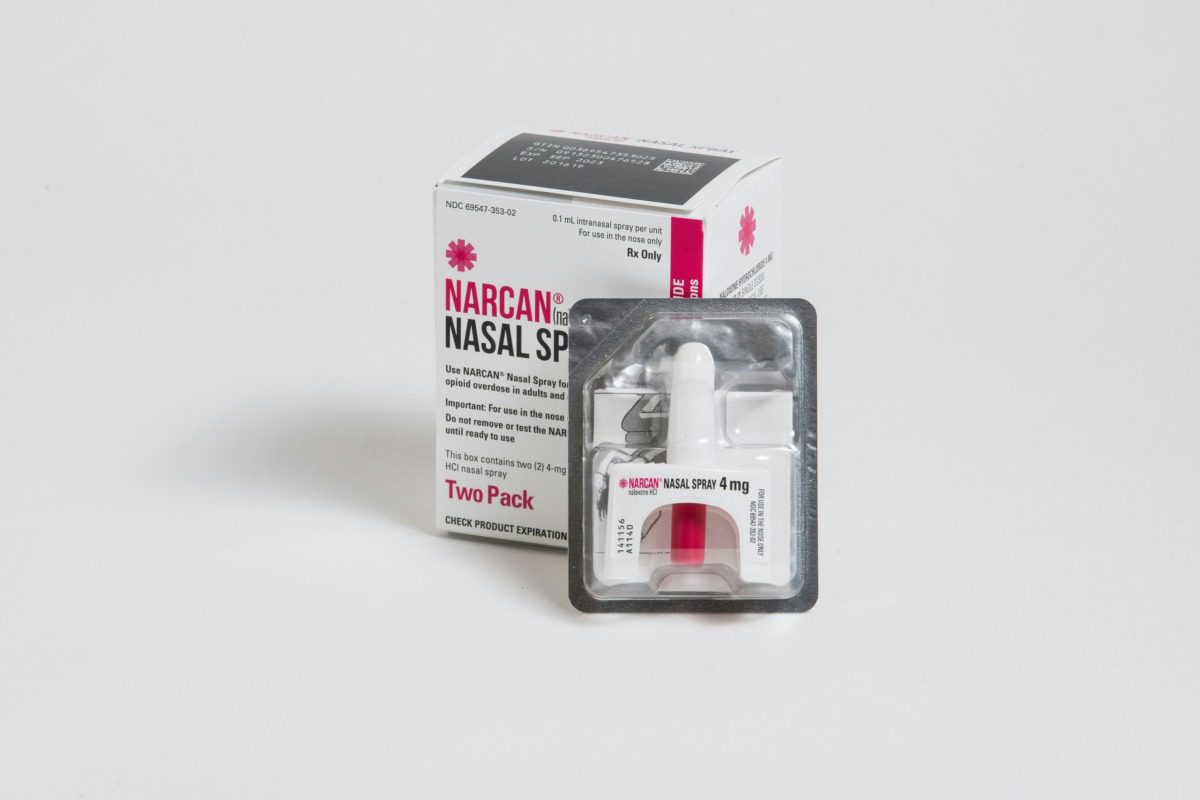
Naloxone, also known as Narcan, is a medication that can reverse an overdose from opioids. (Image via Unsplash)
The decline in Michigan from 2021 to 2023 is almost five times greater than the national decline seen in that same time frame.
In a sign of progress in the fight against the opioid crisis, the state of Michigan has announced that overdose deaths decreased by 5.7% in 2023.
Provisional records from the Michigan Department of Health and Human Services (MDHHS) show that last year, there were 2,826 deaths. That’s compared to 2,998 deaths in 2022. MDHHS also noted that the overall overdose death rate has dropped from its peak of 31.1 deaths per 100,000 in 2021 to 28.2 in 2023.
The state health department noted that the decline in Michigan from 2021 to 2023 is almost five times greater than the national decline seen in that same time frame.
“Michigan is a leader in addressing opioid addiction and has been recognized for our harm reduction efforts by the National Governor’s Association,” said Elizabeth Hertel, MDHHS director in a statement. “We will continue investing in programs that further our efforts to save lives by decreasing substance use disorders, expanding treatment options and improving recovery success.”
Among the factors that the state credits for the decline in overdose deaths are health measures like the launch of Michigan’s Naloxone Direct Portal—the site provides the opioid overdose reversal medication at no charge to community groups and helps boost the distribution of naloxone in high-risk areas. Other measures include heightened access to drug testing supplies and an increase in state intervention and support programs.
While this is all good news, the state also highlighted the fact that racial disparities still continue among overdose deaths. Based on 2023 provisional data, Black residents are 2.8 times more likely to die of an overdose than white residents, and American Indian/Alaska Native residents are 2.2 times more likely to die of an overdose.
The state emphasized its commitment to implementing strategies to support communities of color.
“Limited access to care has been a key driver of racial disparities in Michigan communities, from the COVID pandemic to the opioid crisis,” said Tommy Stallworth, MDHHS senior advisor in a statement. “The state’s commitment to expanding funding for community-based and mobile health services is crucial. By including substance use disorder interventions and improving access to care in marginalized communities, the state is taking important steps toward addressing these disparities in a meaningful way.”
Author


Woman drops off seemingly human skull to Chelsea Goodwill
A woman dropped off what appeared to be a human skull at a Goodwill donation center in Chelsea, according to police. While on patrol, an officer was...

Bottle, can redemption machine allows for dumping whole bag at once
Michigan's 10-cent beverage bottle and can deposit program was once the envy of the recycling nation, boasting a return rate above 95%. But in...
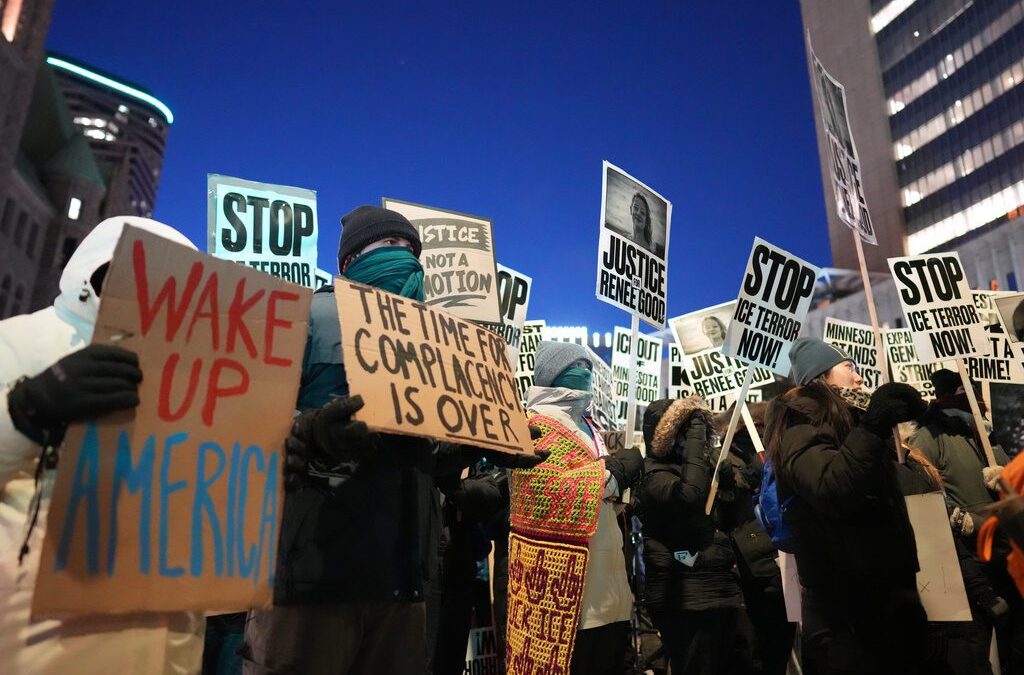
Oppose ICE? Here’s how you can take action
The moment we’re in The US Senate is currently deciding whether to approve new funding for the Department of Homeland Security (DHS), including...
Oppose ICE? Here’s how you can take action
The moment we’re in The US Senate is currently deciding whether to approve new funding for the Department of Homeland Security (DHS), including...

AAA predicts record holiday travel. How to see if flights are delayed
AAA says more than 122 million Americans will travel at least 50 miles from home over the 13-day year-end holiday period that starts Saturday, Dec....