Ask Dr. Litinas is a column that publishes twice monthly as part of The MichiGanja Report—our free, weekly newsletter about all things marijuana. Click here to sign up.
MICHIGAN—Finding the right cannabis dose for chronic pain isn’t as simple as matching a symptom to a number. Cannabis doesn’t behave like a standard pharmaceutical. It interacts with your biology, your endocannabinoid system, and your own lived experiences.
Because of that, dosing is one of the biggest challenges in medical cannabis care.
This week, I’m discussing a scientific paper that has been incredibly helpful in my work educating patients, consumers, and healthcare professionals. It brings structure to something that often feels overwhelming: how to begin dosing cannabis safely and effectively for chronic pain. And importantly, it can help patients learn to participate confidently in their own care.
The publicly accessible article—titled Consensus recommendations on dosing and administration of medical cannabis to treat chronic pain: results of a modified Delphi process—comes from a group of international cannabis experts who tried to solve the problem.
Their goal was straightforward: Create practical, real-world guidance for safely initiating and adjusting medical cannabis therapy for chronic pain. And the results are some of the most thoughtful attempts to turn clinical experience into reliable, patient-centered guidance.
Here’s what they did, why they did it, and how Michiganders can use this information to advocate for themselves and engage in better conversations with their healthcare provider.
Why did the authors create this guidance?
Despite widespread use, clinicians have long lacked clear, research-based dosing instructions for medical cannabis. Patients commonly ask: How much should I take? How often? Should I start with CBD, THC, or both? What if it makes me sleepy? What if it doesn’t help at all?
And until recently, the most common answers came from experience rather than structured, globally shared recommendations. The authors of this paper—clinicians and researchers from nine countries—wanted to change that. Their goal wasn’t to create rigid rules, but to offer a standardized, consensus-driven foundation that clinicians and patients alike can personalize.
What was the process behind their recommendations?
The authors used a research method called a modified Delphi process—a structured way to turn collective expert experience into formal guidance.
A panel of about 20 physicians and researchers from multiple countries, including pain specialists, neurologists, palliative care doctors, anesthesiologists, pharmacologists, and clinicians experienced in prescribing medical cannabis, answered structured questions over several rounds until they found areas where they agreed.
This approach is widely used in medicine when large randomized trials are limited—exactly the situation with cannabis. Importantly, these experts aren’t industry advocates; they’re practicing physicians and scientists who treat pain and regularly use cannabis in clinical settings.
What did they find?
The experts ultimately agreed on three distinct dosing “streams,” each suited to different patient needs. And when patients understand these pathways, they can speak with their clinician in a more informed, empowered way about which approach might fit them best.
The conservative protocol
This is the ideal method for new patients or those who prefer the gentlest approach. This pathway prioritizes safety and gradual acclimation, especially for people nervous about THC.
- Start with CBD: ~5 mg once daily
- Increase by 5–10 mg every 2–3 days
- Target: ~40 mg/day
- If still inadequate, add THC at ~1 mg/day
- Increase THC by 1 mg every 7 days
- Max THC: ~40 mg/day
The routine protocol
This is a standard approach for many chronic pain patients. It balances safety with efficiency.
- Start with CBD: 5 mg twice daily (10 mg/day)
- Increase by ~10 mg every 2–3 days up to 40 mg/day
- If still not effective, add THC at 2.5 mg/day
- Increase THC by 2.5 mg every 2–7 days
- Max THC: 40 mg/day
The rapid protocol
This protocol is for patients who need faster relief or who already tolerate cannabinoids well. This option accelerates relief while maintaining controlled titration.
- Start with balanced THC:CBD: 2.5–5 mg of each once or twice daily
- Increase both by 2.5–5 mg every 2–3 days
- Max THC: 40 mg/day
Safety considerations patients should know
Here are several important safety points to accompany these recommendations:
- Frequent follow-up matters. Early adjustments benefit from clinician oversight.
- Certain conditions require caution—such as unstable cardiac disease, psychosis, or pregnancy/breastfeeding.
- Drug interactions are real. THC and CBD affect liver enzymes, which can change the effects of medications.
- Start THC in the evening to minimize daytime impairment.
- Stop or adjust dosing if moderate or severe side effects appear.
Understanding these issues helps patients ask informed questions and recognize what their body is telling them. And remember, the golden rule still applies: Start low and go slow.
Even with formal consensus guidelines, the foundational principle of cannabis medicine remains the same. Cannabis is powerful, personalized medicine. Increasing the dose too quickly—especially with THC—can lead to anxiety, dizziness, discomfort, or impaired function.
Slow titration allows the body to adjust and helps you understand how cannabis affects your symptoms, mood, and daily life. This is why structured cannabis dosing strategies matter; they give you a clear, safe way to discover what works best for your body.
The bottom line
This consensus paper transforms expert clinical experience into a practical tool that patients and clinicians can use together. It offers structure, safeguards, and predictable pathways for relief—while still allowing for individualized care. Most importantly, it centers around you, the patient. When Michiganders are informed, confident, and empowered, cannabis becomes more than a medication. It becomes a tool for wellbeing and meaningful improvement in quality of life.
This content is for education, not medical advice. Talk to your doctor before making any health decisions—especially when it comes to cannabis. Products are only for adults ages 21 and up.
READ MORE: How Michiganders can shape their cannabis experience with intention

Got a question about cannabis for Dr. Litinas? Send it in here. We’ll get you a response.
Want more cannabis news delivered right to your inbox? Click here to sign up for The MichiGanja Report—our free, weekly newsletter about all things marijuana.
Author


8 quick hits of cannabis news from across Michigan
MICHIGAN—Weed taxes are under fire, labor unions are catching smoke, and the joints are still rolling. It’s been another busy stretch in Michigan...

Why more Michiganders are ditching melatonin for this cannabis compound
More cannabis consumers are turning to a lesser-known cannabinoid called cannabinol—or CBN—for better sleep. But the science behind it is still...
One man is rolling thousands of joints so Michigan can crown its best weed
A new weed competition is ditching sloppy pre-rolls, standardizing everything, and handing Michiganders the power to decide the winners....

8 quick hits of cannabis news from across Michigan
MICHIGAN—Hash Bash is back, weed taxes are stirring up fresh drama, and someone in Macomb County recently got busted with more than 1,000 pounds of...
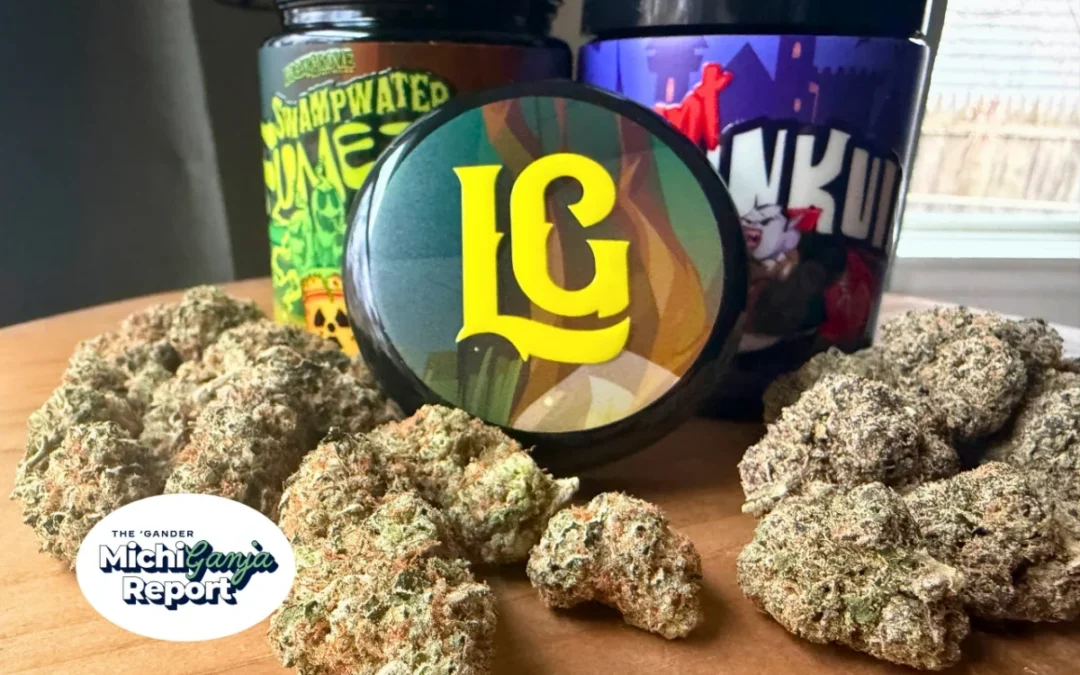
Two Michigan strains that reminded me what good weed is supposed to be
Two strains from Local Grove prove that high-quality Michigan flower is still out there—if you know where to look. MichiGanja in Review is a column...