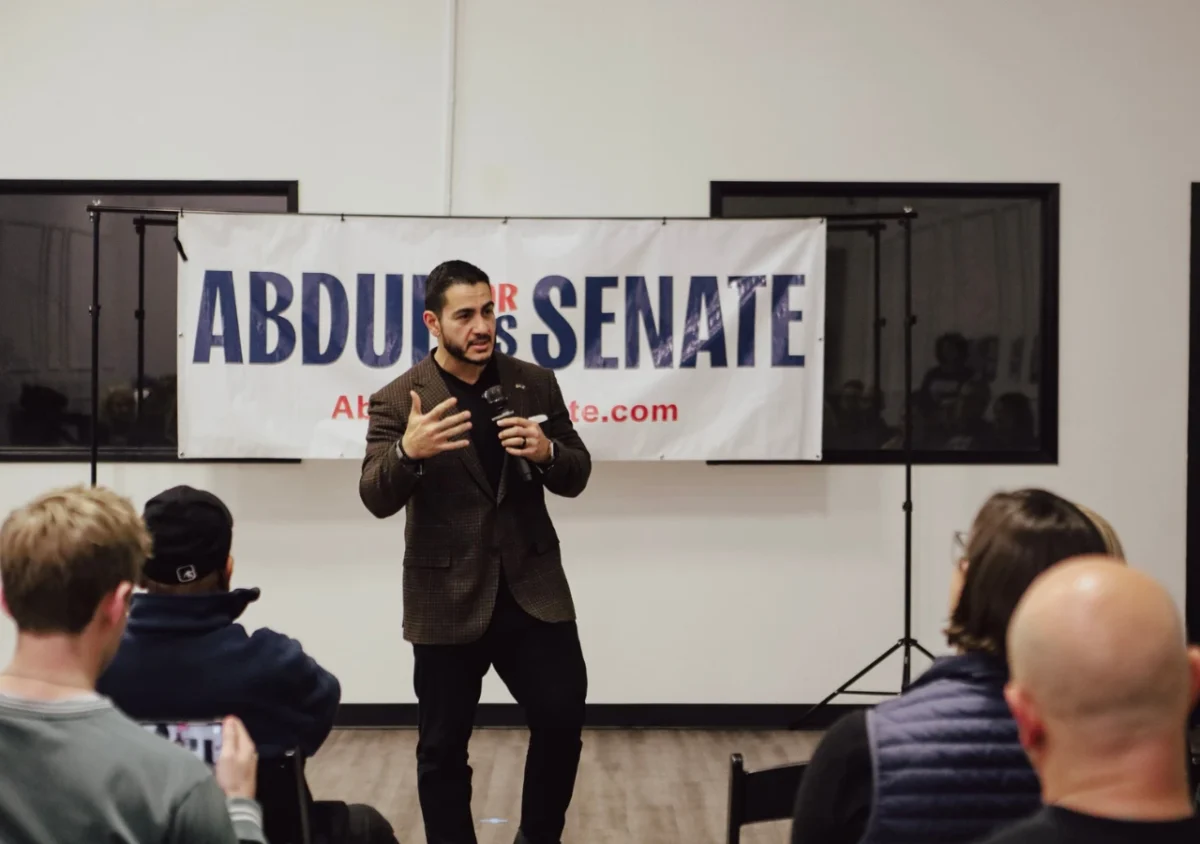
Abdul El-Sayed via Facebook
The Democratic US Senate candidate is laying out new rules of the road for data centers—including no rate hikes and water safeguards—as dozens of new projects take shape across Michigan.
MICHIGAN—As plans for large, electricity-guzzling data centers continue to crop up across Michigan, Democratic US Senate candidate Abdul El-Sayed this week became the first candidate in the race to release a detailed plan that would rein in their rapid expansion.
El-Sayed’s proposal, which he is billing as new “terms of engagement” for data centers, outlines specific conditions he says companies should be required to meet before projects are approved.
All told, his plan lays out a new set of enforceable protections that are aimed at preventing higher utility bills, safeguarding water resources, and ensuring communities have real leverage as data centers and other artificial intelligence projects seek to expand across the state.
“We’ve watched as data center projects have proliferated up and down our state, raising alarm and concern about the impacts on water resources, electric bills, and safety,” El-Sayed said in a statement released on Thursday. “These terms of engagement represent the bare minimum that data center projects should be able to guarantee if they want to move into our communities.”
What’s in El-Sayed’s plan?
El-Sayed’s eight-point proposal outlines a specific set of conditions that he says all Michigan communities should be able to demand before approving the construction of new data centers.
Those include:
- No rate hikes: Data centers would be required to pay for their own energy demand, with costs barred from being passed on to residential and small-business ratepayers.
- Community transparency: Local residents would be guaranteed a meaningful role in project approvals and community benefits negotiations.
- Energy reliability guarantees: Projects would have to include enforceable commitments to improve power grid reliability, funded by data center revenues.
- Jobs guarantees: Companies would face financial or operational penalties if promised local jobs fail to materialize.
- Water protections: Facilities would be required to use closed-loop cooling systems to avoid stressing or polluting local water sources.
- Community benefits agreements: Binding agreements would be required to deliver tangible local improvements to local communities where data centers are built, such as infrastructure upgrades, buried power lines, and water system improvements.
- No clean-energy loopholes: Utilities would be barred from using data center demand to weaken or sidestep Michigan’s clean energy laws.
- Enforceability: All agreements would include penalties to ensure compliance.
Why now?
At least 16 data center projects have been proposed in Michigan over the past year, including one facility in Saline Township that’s projected to consume 1.4 gigawatts of electricity—which represents more power than the entire city of Detroit, according to El-Sayed’s campaign.
@gandernewsroom A massive new data center is coming to Saline Township. It’s poised to bring in thousands of new jobs, collect millions of dollars in tax incentives, and suck down a whole lot of electricity. Political correspondent Kyle Kaminski is on the scene. 👀
Besides electricity rates, residents have raised concerns about data centers’ water usage, environmental impacts, and the limited number of permanent jobs these facilities provide once they’re built.
El-Sayed is framing his proposal as a response to growing concerns that utility companies are pushing projects forward without adequate oversight, while regulators and local governments struggle to keep up with all the new projects simultaneously underway across Michigan.
“That’s because our local utilities have bought off the politicians who are supposed to regulate them—and because there simply hasn’t been the leadership to take on powerful corporations,” El-Sayed said in a statement released alongside his plan on Thursday.
The bottom line
El-Sayed’s plan sets him apart from the rest of the field in Michigan’s open US Senate race. While other candidates have spoken broadly about innovation, economic development, and AI policy, none of them have released a comparable, point-by-point framework addressing how data centers and AI projects should be approved and regulated at the community level.
El-Sayed’s campaign also noted that he is the only candidate who has not accepted campaign contributions from utility companies, which stand to benefit from large-scale data center development. With more proposals expected—and utilities planning major grid investments to support them—the issue is likely to remain a growing point of debate ahead of Election Day.
The primary election for Michigan’s open US Senate seat is Aug. 4, 2026, with the general election set for Nov. 3, 2026. Click here to ensure you’re registered to vote.
READ MORE: Michigan’s US Senate candidates weigh in on data centers and AI
Get Michigan political news straight to your feed by following The ‘Gander on Instagram.
Author

Support Our Cause
Thank you for taking the time to read our work. Before you go, we hope you'll consider supporting our values-driven journalism, which has always strived to make clear what's really at stake for Michiganders and our future.
Since day one, our goal here at The 'Gander has always been to empower people across the state with fact-based news and information. We believe that when people are armed with knowledge about what's happening in their local, state, and federal governments—including who is working on their behalf and who is actively trying to block efforts aimed at improving the daily lives of Michigan families—they will be inspired to become civically engaged.

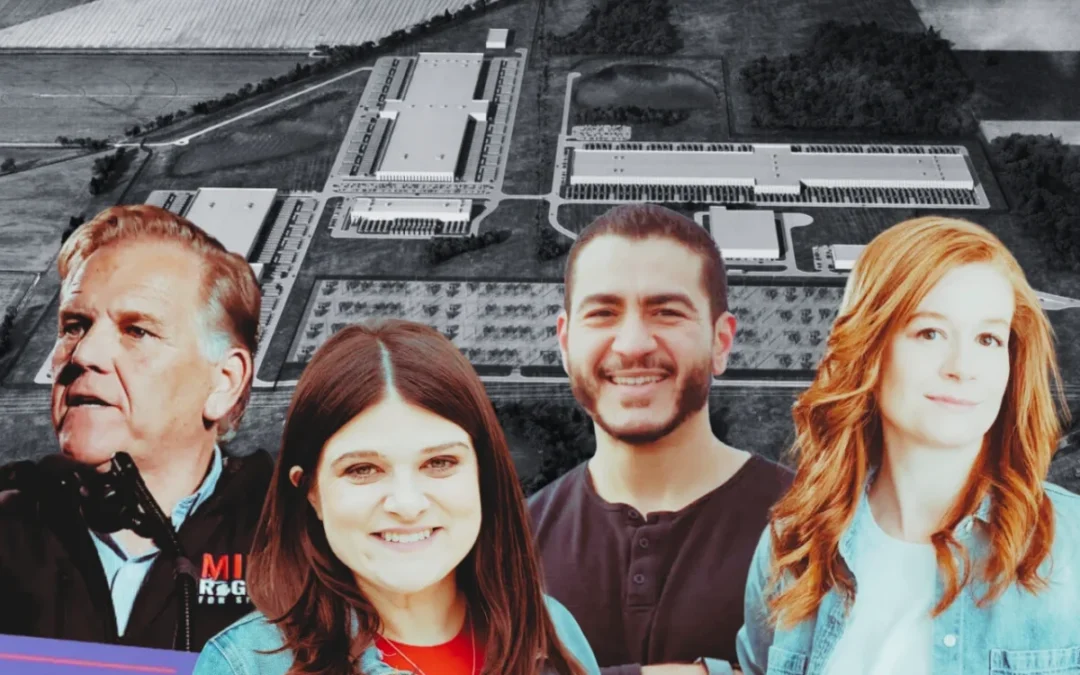
Michigan’s US Senate candidates weigh in on data centers and AI
We asked Michigan’s US Senate candidates about data centers and AI. Here’s what they said—in their own words. MICHIGAN—As massive data centers and...

Republicans vote to jack up health care costs for hundreds of thousands of Michiganders
Senate Republicans blocked an extension of Affordable Care Act tax credits, setting up massive premium hikes and coverage losses for families across...
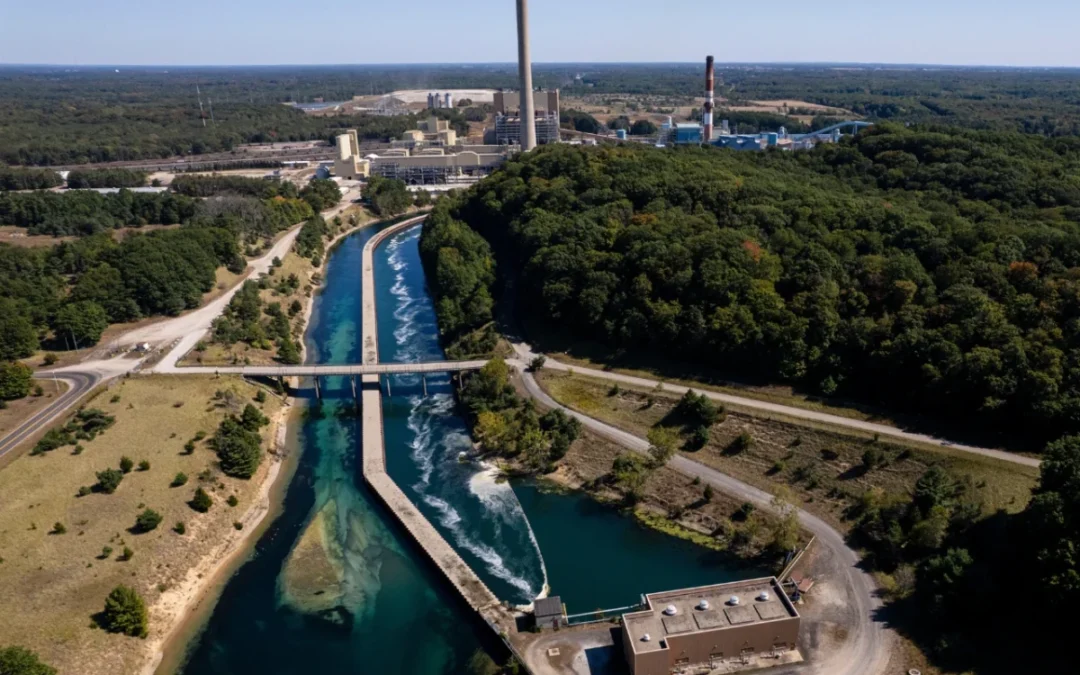
Trump administration extends order keeping Michigan coal online past closure date
MICHIGAN—The Trump administration has once again extended the life of a Michigan coal-fired power plant that was supposed to close last May as the...
Why some Michiganders are boycotting Target, Home Depot, and Amazon on Black Friday
The nationwide “We Ain’t Buyin’ It” campaign is asking Americans to stop shopping at Amazon, Home Depot, and Target for five days—from Thanksgiving...

Michigan officials say Trump’s trade war is raising prices. Voters say they feel it.
A new state analysis details widespread cost increases tied to tariffs, as Michigan voters report feeling the strain in their grocery bills, housing...