DOMINIC GWINN/Middle East Images/AFP via Getty Images
BY JON KING, MICHIGAN ADVANCE
MICHIGAN—Gov. Gretchen Whitmer on Tuesday signed a bevy of bills into law, including more than half a dozen dealing with health care and family support.
“These bills will make a real difference in people’s lives by expanding access to healthcare, protecting workers’ rights, and putting money back in Michiganders’ pockets,” said Whitmer. “From ensuring 35,000 home care workers can bargain for better pay and benefits to ensuring every Michigander can access quality healthcare regardless of their zip code, let’s keep working together to make sure that everyone can make it in Michigan.”
Among the legislation signed into law were Senate bills 790 and 791, sponsored by state Senators Kevin Hertel (D-St. Clair Shores) and Sylvia Santana (D-Detroit), respectively, allows individual home help caregivers to unionize in Michigan. Supporters say the bills support workforce development, expand training, and restore bargaining rights for 35,000 home care workers in the state.
“From automotive factories to the food service industry, we’ve seen that workers can negotiate for better wages and working conditions when they’re united together as one. Individual home care workers deserve nothing less than the ability to collectively bargain just as workers in all other sectors have,” said Hertel. “With this legislation, we are ensuring these essential workers have the tools they need to secure higher wages, better benefits, and pathways for professional development.”
Senate Bill 701, sponsored by state Sen. Sam Singh (D-East Lansing) supports health care access in rural Michigan by amending restrictions on the funding Michigan hospitals can receive.
The bill eliminates the definition of “critical access hospital,” modifies the definition of “rural hospital,” and raises the population limit to be considered a “rural hospital” to include counties with 195,000 people or less, which would add Livingston, Muskegon and Saginaw counties to the rural hospital pool.
“It is critical that we ensure our rural hospitals have the funding and resources they need to provide quality care to the communities that rely on them,” said Singh. “The legislation signed by Gov. Whitmer today ensures equitable funding for Memorial Healthcare and the many other hospitals across our state serving rural communities.”
Also signed into law were a pair of bills supporters say will help parents provide care for their children as needed.
Senate Bill 351, sponsored by state Sen. Jeff Irwin (D-Ann Arbor), strengthens protections against discrimination for individuals who are currently breastfeeding.
“The freedom to express breastmilk is critical to maintaining a healthy supply for babies,” said Irwin. “This law expands the Breastfeeding Anti-discrimination Act to include protections for people who need to pump in public settings.”
Meanwhile, Senate Bill 928, sponsored by state Sen. Sarah Anthony (D-Lansing), eliminates a clause that would allow Medicaid to not fully cover birth expenses, saving thousands of Michiganders money and time spent on the phone with insurance.
Supporters say the changes enacted by the bill could fully cover approximately 66,000 unwed births, ensuring single or unmarried mothers get money back in their pockets to pay bills, buy groceries, and afford childcare.
The final two bills were both sponsored by Anthony.
The first, Senate Bill 929, repurposes Medicaid funding to eventually allow low-income Michiganders access to a broader range of care centers, bolstering Gov. Whitmer’s “Make it in Michigan” by increasing pay for health care workers, and expanding access to health care for low-income individuals.
The second bill from Anthony, Senate Bill 932, drew condemnation from House Republicans as it extends families’ access to cash assistance from the Family Independence Program (FIP) from 48 months to 60 months.
“After raising the income tax on every Michigan taxpayer, Democrats are expanding cash welfare and paying people not to work for up to five years,” said House Minority Leader Matt Hall (R-Richland Twp.). “Businesses are hiring all across our state, and we should be helping people get off of welfare and into good jobs. Meanwhile, welfare fraud has tripled since 2019. Democrats’ decision to expand this broken system is just reckless political gamesmanship. It’s an abuse of the dollars of hard-working Michiganders, and it has to stop.”
Hall also cited Michigan State Police data indicating welfare fraud had increased 210% since 2019.
Also signaling opposition was state Rep. Ann Bollin (R-Brighton) who said the 25% expansion of benefits was beyond what hard-working Michigan families should reasonably expect.
“The people of Michigan believe in lending a hand to help their neighbors during tough times, but they also expect these programs to be temporary and aimed at encouraging independence,” said Bollin. “This program was designed to help families get back on their feet, not keep them reliant on welfare indefinitely.”
READ MORE: Michigan unions back Kamala Harris for president
This coverage was republished from Michigan Advance pursuant to a Creative Commons license.
Author


A new car vs. health insurance? Average family job-based coverage hits $27K
By Phil Galewitz, KFF Health News With the federal shutdown entering its fourth week, spurred by a stalemate over the cost of health insurance for...

Fighting a health insurance denial? Here are 7 tips to help
By: Lauren Sausser When Sally Nix found out that her health insurance company wouldn’t pay for an expensive, doctor-recommended treatment to ease...
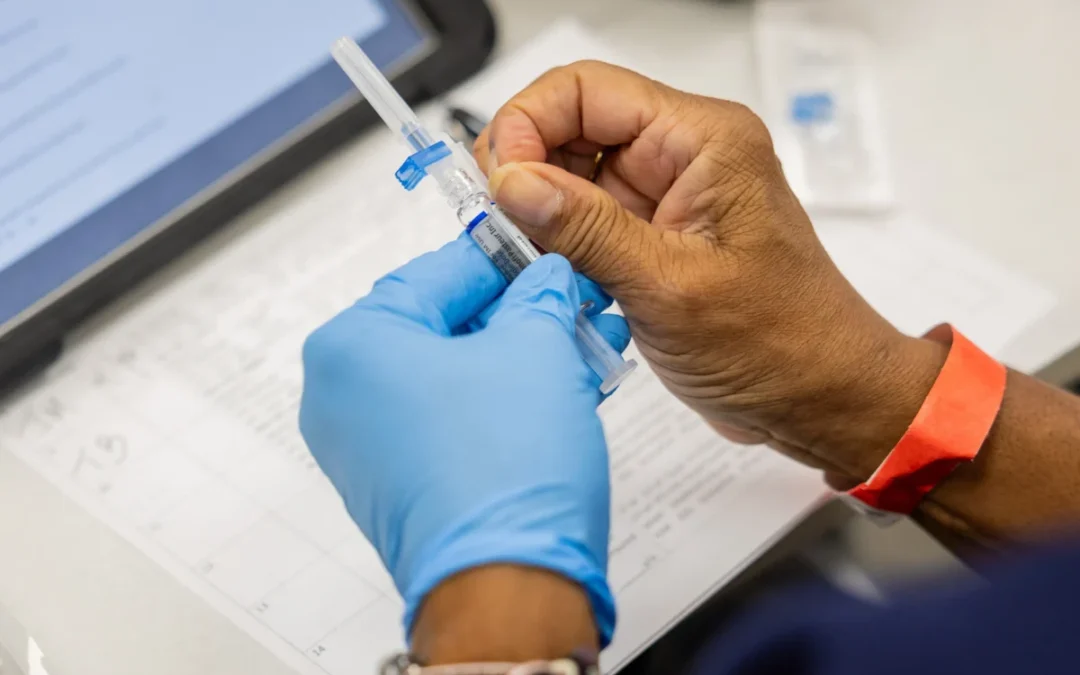
It’s almost flu season. Should you still get a shot, and will insurance cover it?
Madison Czopek, PolitiFact August 18, 2025 For parents of school-aged children, the fall to-do list can seem ever-growing. Buy school supplies. Fill...

Opinion: Health care is at risk as Grad PLUS loans face the chopping block
The ‘One Big, Beautiful Bill Act’ strips critical funding from medical students and threatens care in rural and underserved communities. We never...

Macomb County households will start losing money this year under Trump’s new spending law. Here’s how much—and who let it happen
Families in Michigan’s 10th Congressional District will shoulder over $500 million in lost funding, while billionaires cash in. In the neighborhoods...