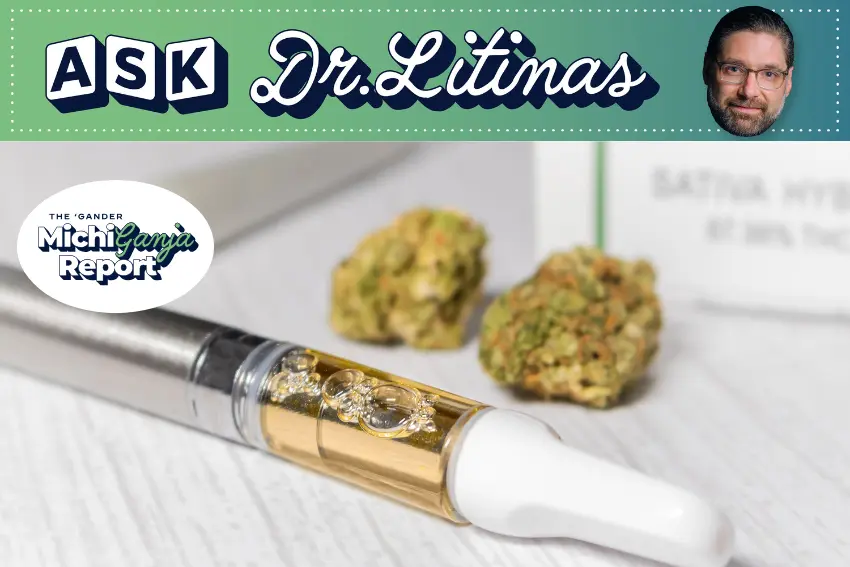
Why Michigan weed with the same THC percentages can feel completely different
Most Michiganders shopping at a dispensary tend to focus almost exclusively on THC and CBD percentages. But those labels on the jar only tell part of the story.

Most Michiganders shopping at a dispensary tend to focus almost exclusively on THC and CBD percentages. But those labels on the jar only tell part of the story.

Vaporizing whole flower is generally safer than smoking it.
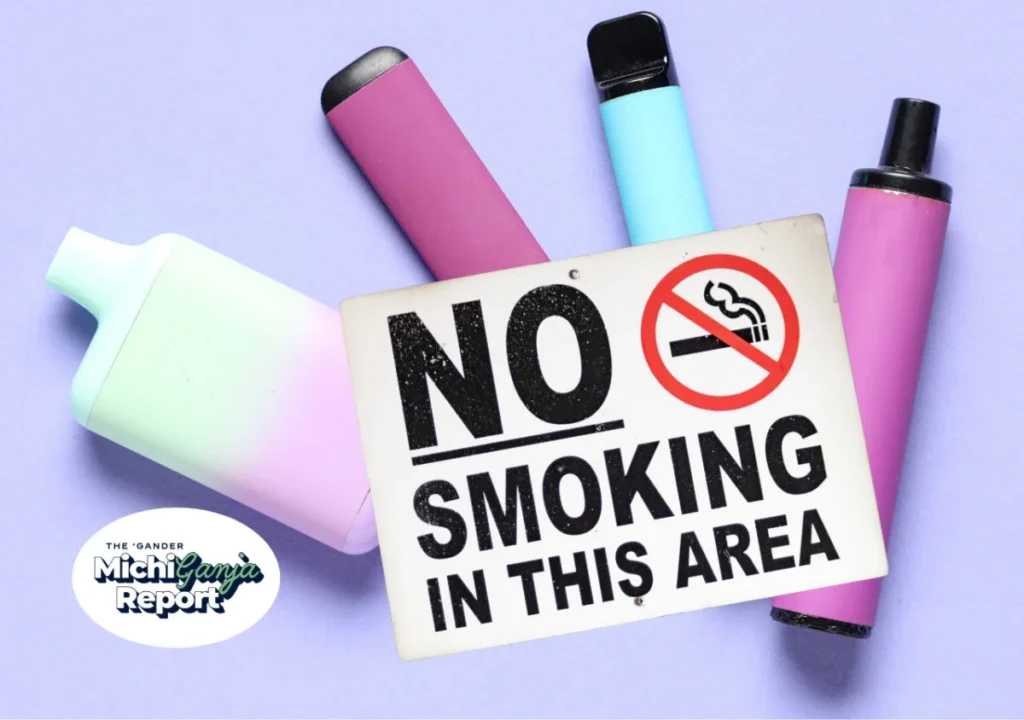
Cannabis has become part of everyday life for many Michiganders. But accessibility also brings responsibility.
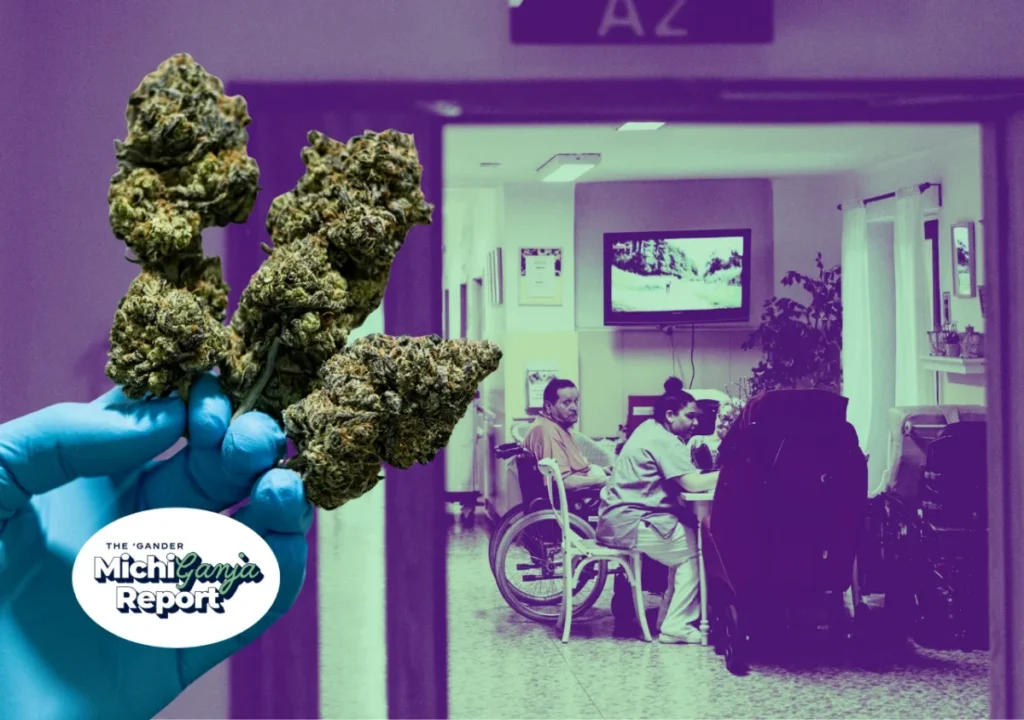
Hospice care is not about curing disease. It’s about comfort, dignity, and quality of life during one of the most intense and vulnerable periods a person and their family will ever experience.
A lot of cannabis consumers have had this experience: One day, a single gummy or specific dose feels mild and manageable. Another day, the exact same edible and dose leaves you uncomfortably high, anxious, or glued to the couch for hours
Cannabis is often discussed in terms of benefits—like pain relief, euphoria,improved sleep, reduced anxiety, and better quality of life.

Dosing is one of the biggest challenges in medical cannabis care.
Conscious, purposeful cannabis use starts with taking an internal inventory, setting a goal for what you want, and then guiding the experience toward that outcome.
The “how much” is the fine-tuning knob of cannabis use for wellness—and learning to use it properly is what separates an effective routine from a frustrating one.

The way we introduce cannabis products into our body plays a defining role in how our body absorbs them, how they’re distributed and metabolized, and ultimately, how we feel.