By Julia Belden, Capital News Service
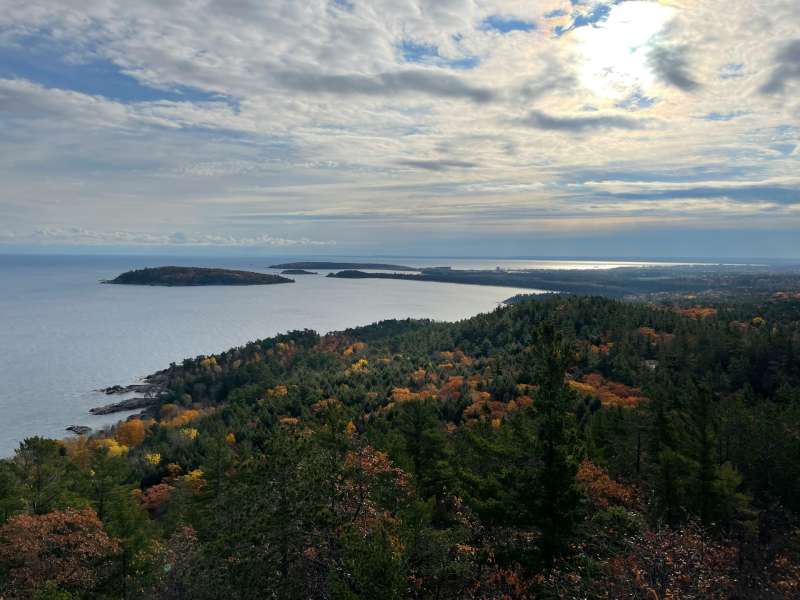
With its magnificent sand dunes, sparkling blue-green water and bucolic cherry orchards, northern Michigan is a paradise for residents and visitors.
The region’s temperate climate, buffered by the Great Lakes, also makes it a hotspot for climate migration, a theme explored in “This Magnetic North,” a new book by Tim Mulherin.
Mulherin lives in Indianapolis but frequently visits the Traverse City area, where his family owns a cottage. A writer and former school administrator, he fell in love with northern Michigan in the mid-1980s after driving there to visit a friend.
“I was on M-72 coming from Kalkaska – there’s a ridge you go over and suddenly you can see Grand Traverse Bay,” said Mulherin.
“I was floored. I pulled the car over and got out. I didn’t realize the Midwest had something that beautiful because I’d always been in Indianapolis since I was 10 years old.”
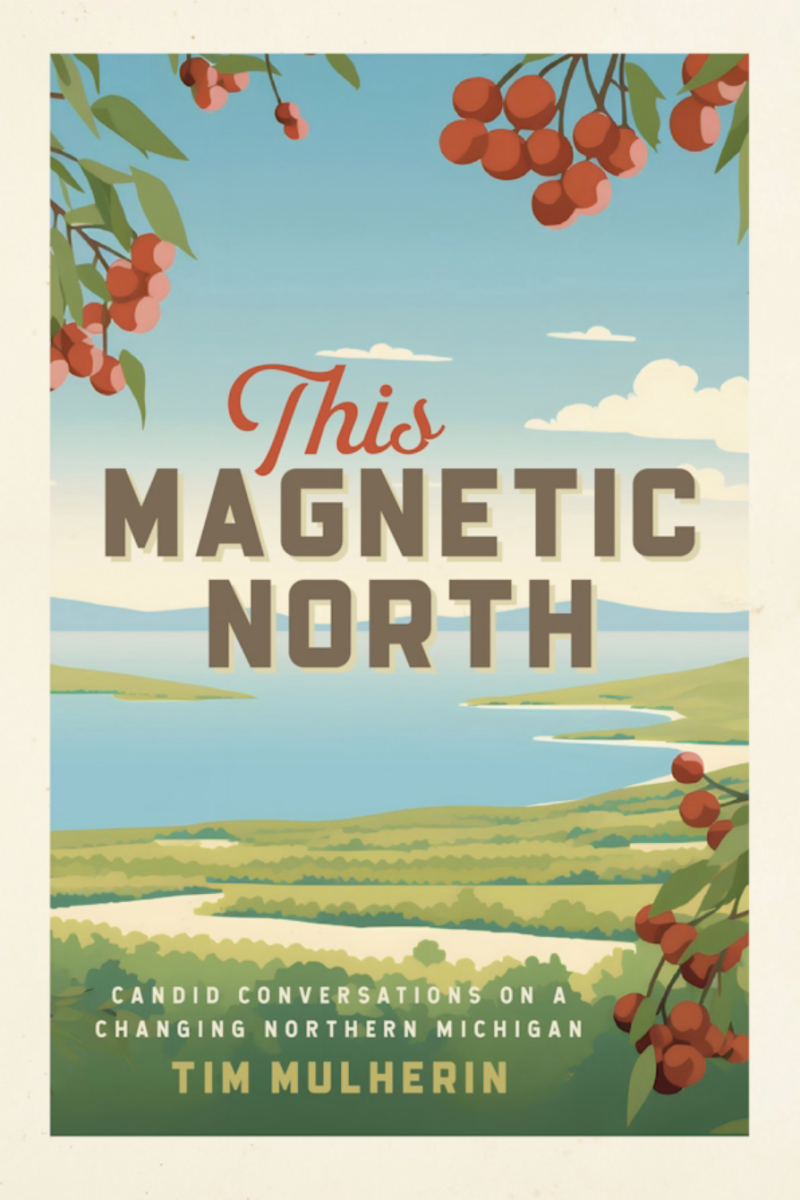
Mulherin said the idea for the book came from a conversation with his friend Dave Dempsey, a senior policy advisor at Traverse City-based nonprofit FLOW (For Love of Water) and a fellow author.
“We started talking about book ideas and [Dempsey] threw out the term ‘climate migrants,” Mulherin said.
Climate migration, according to the Migration Policy Institute, occurs when people are displaced by climate change-related drivers.
While the Great Lakes are known for their unpredictable nature, the region is relatively unaffected by severe weather events such as hurricanes, wildfires, excessive flooding and extreme heat.
This makes areas like northern Michigan attractive to people looking to relocate to escape environmental disasters.
“Intrigued” by the potential changes to northern Michigan driven by climate change, Mulherin set out to learn more, interviewing officials, business and nonprofit leaders, Indigenous people and other residents.
“This Magnetic North” is structured around these conversations, with farmers, conservation officers, a local sheriff and even an astronomer lending their perspectives on the area’s evolution.
Mulherin said he talked to over 90 people over the course of his research for the book and was “pleasantly surprised” that regardless of political stances, all had one thing in common: they loved northern Michigan.
“Water is such a spiritual thing for humans,” Mulherin said.
For many, northern Michigan – or “Up North,” as it’s often called – is a dream destination, but some locals aren’t thrilled about welcoming newcomers, Mulherin said.
“The book’s working title was ‘Last One in, Shut the Door.’”
Those wishing to relocate to the area may encounter a hefty price tag: According to Zillow, the average sale price for Traverse City homes is nearly $450,000 – significantly higher than Michigan’s overall average of $266,000.
The Great Lakes region continues to inspire Mulherin. He says his next book will be an exploration of Indiana and Michigan wildlife.
“I think sometimes the land kind of reaches out and has a hold on you. It’s not about you deciding that you want to be there — it’s saying you belong there.”