Located just north of actual Paradise in Michigan’s Upper Peninsula, you will find Whitefish Point, a cape on the eastern side of Lake Superior. Whitefish Point is not exactly known for being welcoming to ships crossing the treacherous waters of Lake Superior, but it is very much a paradise for one specific group: bird lovers.
Whitefish Point is one of the best spots in the entire country to catch the diverse (and feathery) show that is the fall bird migration season. Birds follow the coasts and capes of the Great Lakes, and Whitefish Point is a natural stop on their winter route to warmer air. Here is more information about why the Michigan cape serves as an annual stop for aerial fowl, where to go for the best bird views, and what to expect when you visit.
What is Whitefish Point?
The land portion of Whitefish Point is technically a cape, meaning it has a small part of land that juts out into the water. It’s not large enough to be a peninsula, but it is large enough to create the perfect corridor for a literal bird stop.
Meanwhile, the waters of Whitefish Point are infamous for other reasons: they are home to Lake Superior’s oldest lighthouse still in operation as well as the ghostly grave of the Edmund Fitzgerald, and the area serves as the “door” to ships both entering and exiting Lake Superior. The stretch of waters near Whitefish Point is one of the most treacherous of all the Great Lakes—it has claimed around 200 of Lake Superior’s 550 shipwrecks.

The sheer number of shipwrecks in Whitefish Point can be attributed to a few different factors, like the area’s high winds, unpredictable storms, and lack of a safe harbor for ships. What the waters lack for ship harbors, however, the land makes up for it as a natural harbor for birds migrating south for the winter.
Like much of Michigan, Whitefish Point was shaped by ancient glaciers and waters, which left a sandy, flat patch of land shaped like a natural corridor in the water. As we mentioned before, the waters near Whitefish Point are treacherous, so one could imagine what a welcome sight Whitefish Point would be for a weary bird traveler. The land of Whitefish Point itself is also a haven for birds, because it’s made up of dunes and swales—a feature distinct just to the Great Lakes, mind you—that welcome a wide variety of birds.
Birds naturally flock to land coasts as they migrate, so the combination of the corridor shaped by the land and the fact that land is sparse on their journey makes the area ideal for birds flying south. The birds will stop to catch their breath, rest, and refuel before braving the long journey over Lake Superior.
How to watch birds at Whitefish Point
Atonsihingly, the highest number of recorded bird species in all of Michigan has been at Whitefish Point, says the Upper Peninsula Travel and Recreation Association. (That would be 340 different species, for the record!)
So if you are looking to see the maximum number of birds in a small amount of time, Whitefish Point is definitely where it’s at. The area also has rare breeding birds, making it even more exciting for avid birdwatchers looking to spot something new for their bird bingo cards.
The area is so popular for birdwatching, in fact, that they have an entire observatory built entirely for the hobby. The Whitefish Point Bird Observatory positions itself as the “premier” birdwatching observatory in all of Michigan, but it is also one of the leading lookouts in the country. The observatory, which has been in operation since 1979, notes that thousands of birds pass through Whitefish Point.
You can visit Whitefish Point Bird Observatory 365 days of the year, anytime from dawn until dusk (but note that research facilities and guided programs operate seasonally). The observatory welcomes visitors to explore on their own, of course, but you can also join in on the observatory’s official bird-watching events. For instance, you can:
- Observe their ongoing official counts of migrating ducks, geese, loons, grebes, and raptors
- Attend a field trip
- Listen in on a lecture
- Plan to visit for a special program or presentation
- Join one of their popular guided bird walks
Tips for visiting Whitefish Point
You can visit Whitefish Point, as well as the Bird Observatory, all year round, but in the fall, it can help you plan to know what types of species you may see:
- Warblers, including Tennessee, Cape May, and Blackpoll
- Swainson’s and Gray-cheeked Thrushes
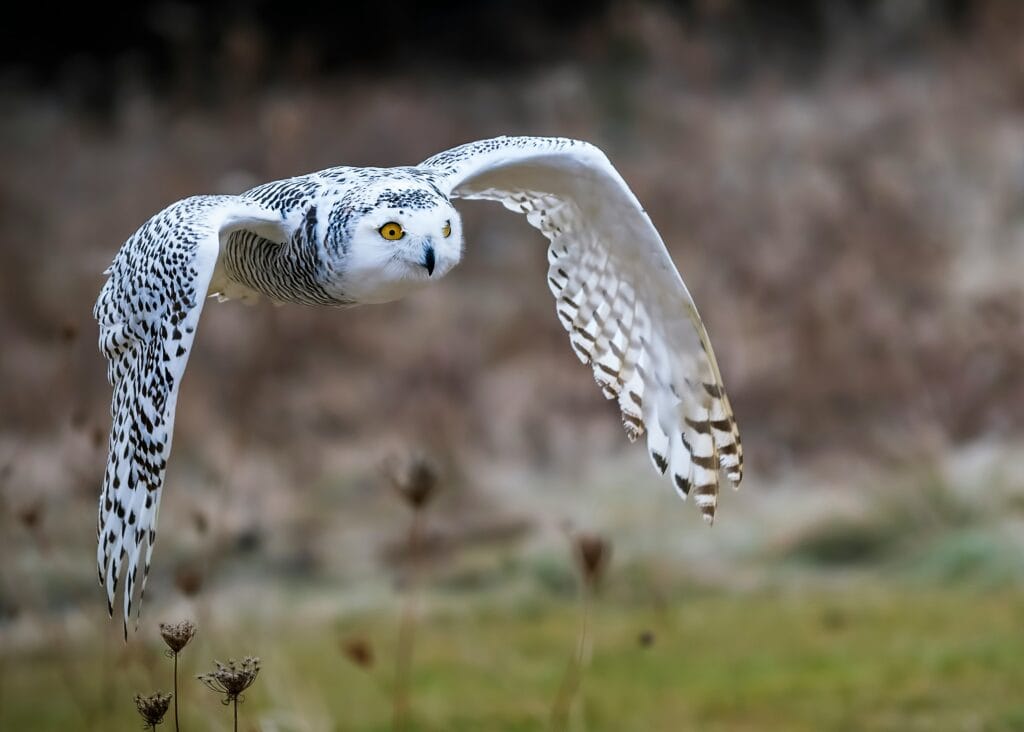
- Owls, such as the Northern Hawk Owl, Boreal Owl, and Snowy Owl
- Jaegers (look for long-tailed Jaegers!)
- Sabine’s Gull
- Loons
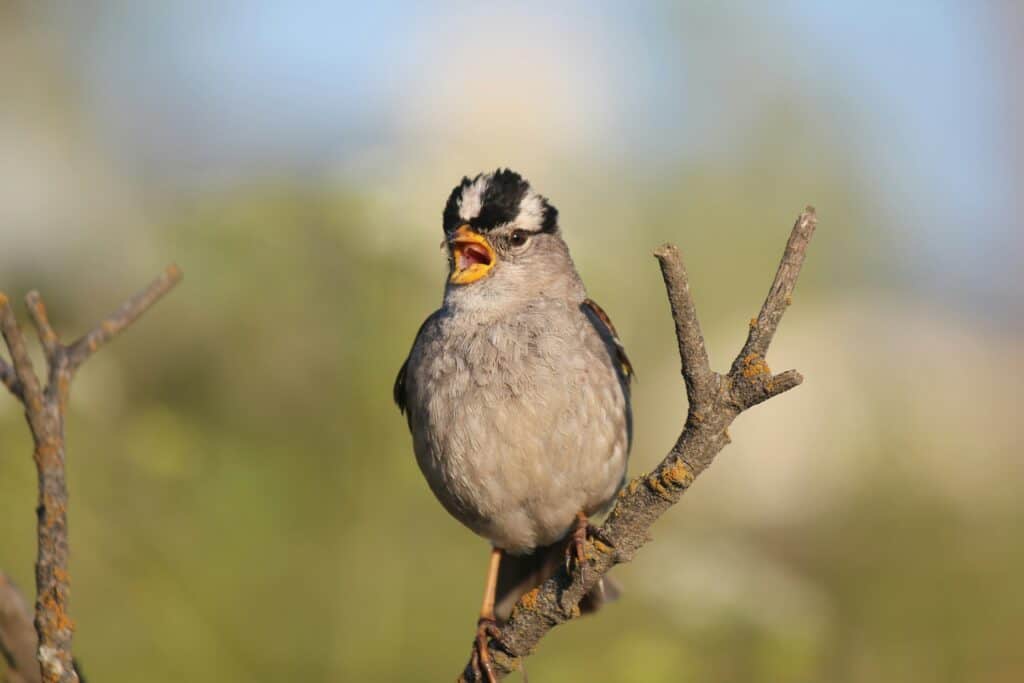
- Sparrows
- Kingbirds
- Songbirds
- Waterfowl, such as geese, ducks, and the red-breasted Merganser
- Northern Finches
Late September through October also brings more rare birds, such as the Ancient Murrelet, Hepatic Tanager, Lucy’s Warbler, or a short-tailed Hawk. And late fall even brings in woodpeckers, both the common variety and at least one recording of a stray Lewis woodpecker.
Aim to match your visit to the season that you are most likely to see the bird species you are most interested in. If you aren’t sure, the observatory lists birds you can spot by season. But if general bird watching suits you, spring and fall migration times are foolproof times to visit. For a fall visit, here are some quick tips:
- Go after Labor Day, when bird migratory patterns really ramp up.
- If you wait until the end of October, you will see more cold-weather fowl, which can be more exciting for some bird watchers.
- The fall season continues through mid-November, and sometimes, the rarest birds make their appearance, saving the best for last.
- A good rule of thumb when birdwatching: The early bird will not get the worm, but they will get the best views of the other birds!
- After-storm bird watching can be the most exciting, as strong winds can blow in different birds from their normal migration routes.
- Remember that different terrain and vantage points will yield different types of birds stopping in for a rest.
- Book accommodations in advance, if possible, especially during the busy fall or spring migration seasons.
This article first appeared on Good Info News Wire and is republished here under a Creative Commons license.
Related: Book dives into history of ‘phenomenal’ Great Lakes ship architect