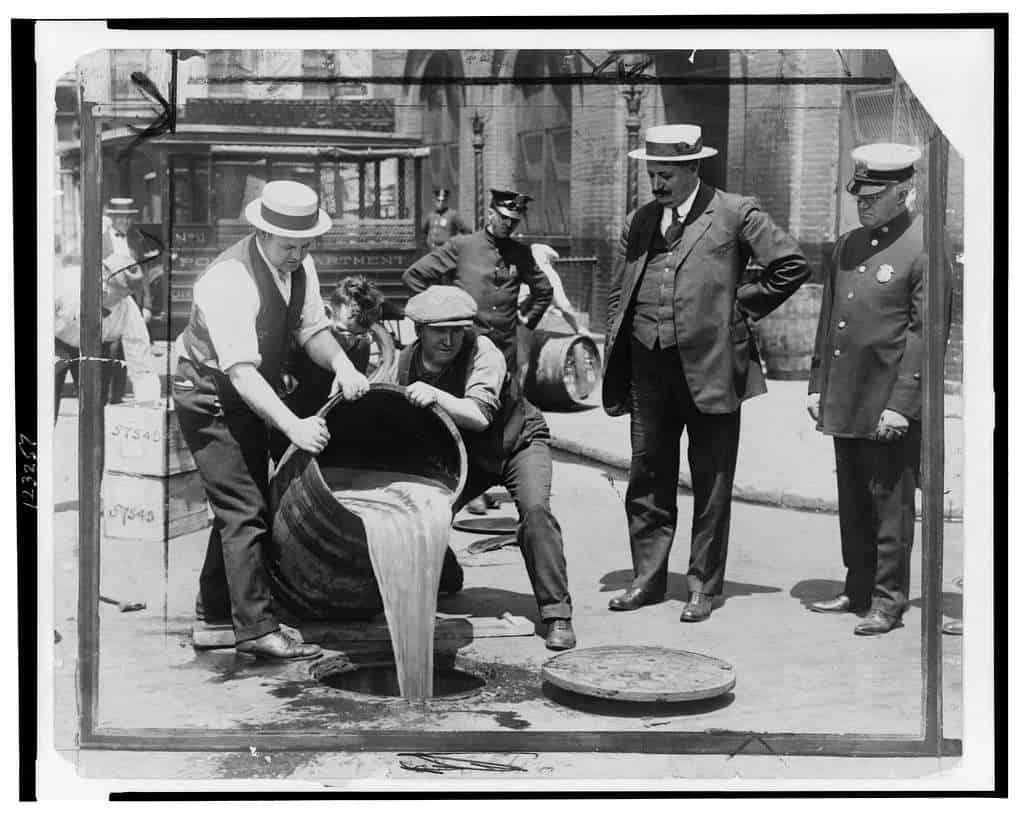
If you’ve got a basic grasp on US history, you’re likely familiar with the Prohibition era. From 1920 to 1933, alcoholic beverages were broadly banned. It became illegal to produce, transport, import, or consume alcohol across the nation, and Michigan was no exception.
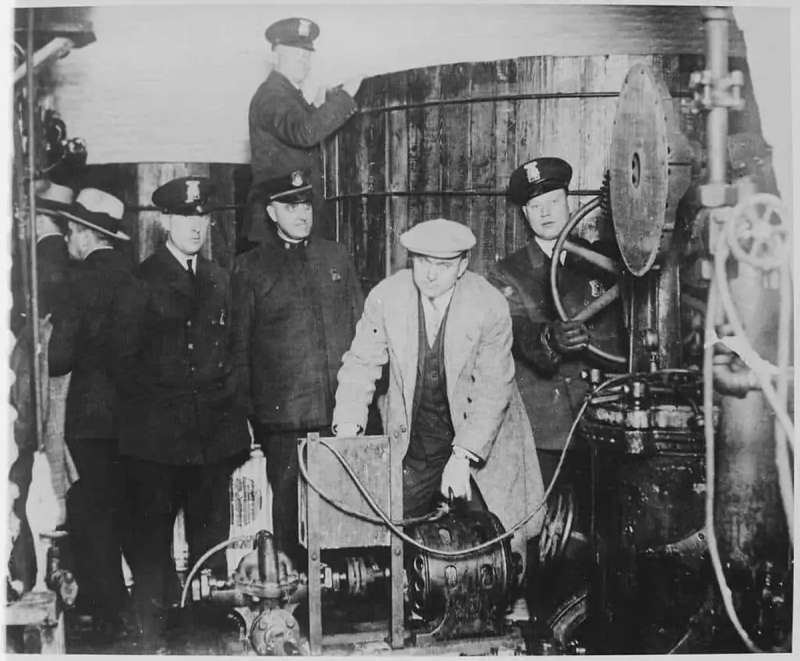
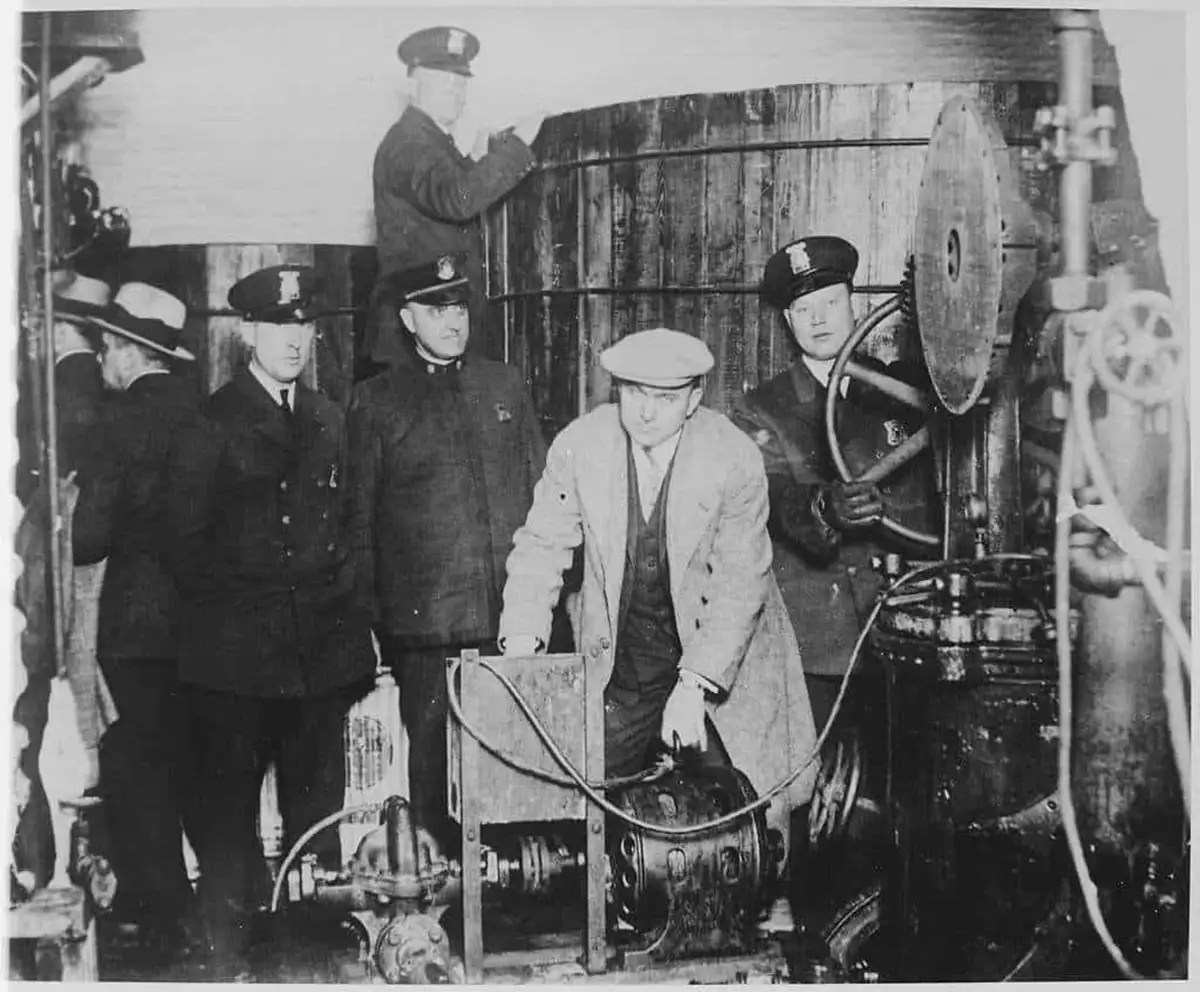
However, the legality of alcohol consumption didn’t exactly stop people from getting their hands on drinks. Where there was a will, there was certainly a way, and Prohibition-era Detroit was uniquely geographically positioned for smuggling unauthorized beverages into the country.
The Detroit River creates a relatively short water barrier between the US and Canada, and alcohol bootleggers of the 1920s used this proximity to their advantage. As the years dragged on, Detroit gained notoriety for its illegal smuggling operations, which often consisted of so-called “rum runners” making their way to and from Ontario across the Detroit River via what was called the Windsor-Detroit Funnel.
Smuggling operations, most of which were organized and monitored by the infamous Purple Gang, varied based on season. When weather was warm, smugglers would use boats to covertly bring alcohol from Canada into the Motor City, where it would be distributed across local speakeasies or other “underground” destinations.
When the river froze over every winter, the smuggling didn’t stop—instead, organizers found unique (and decidedly dangerous) ways to traverse the ice, using everything from very lightweight cars to sleds and ice skates as tools for transporting alcohol across national boundaries.
By the end of the 1920s, the Purple Gang had something of a monopoly on the city’s smuggling operations—and their business endeavors didn’t end in Michigan. Alcohol brought in through Canada was ultimately sold to other gangsters across the region, including groups in Indiana, Ohio, and Chicago (yes, even Al Capone himself!).
According to reporting from the Detroit News, illegal alcohol operations were the second largest industry in the city, outpaced only by the auto industry.