Federal Cuts
-
St. Clair County nurse fears loss of healthcare workers without investigation into medical director
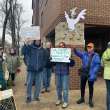
Alongside her colleagues, nurse Kristin Hayes is demanding the St. Clair County Board of Commissioners launch an independent investigation into County Medical Director Dr. Remington Nevin following several complaints—including allegations of threatening employees and violating established safety protocols.
-
Barrett voted to lower healthcare costs. Then he voted against the one bill that would have.
Rep. Tom Barrett says he’s fighting to lower costs for mid-Michigan families. His votes on Medicaid, Planned Parenthood, and the ACA tell a different story.
-
Your guide to taking action to protect reproductive rights in Michigan
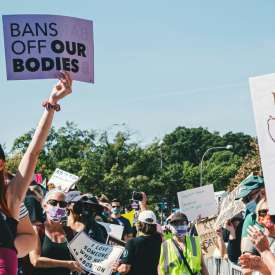
Michiganders are feeling the impact of federal attacks on reproductive rights. Here’s how you can get involved to protect reproductive freedom in Michigan.
-
Michiganders lose access to critical reproductive care as Planned Parenthood closes more health clinics
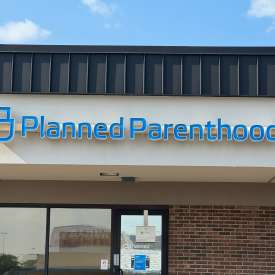
Planned Parenthood of Michigan says it remains dedicated to providing care for Michiganders after announcing it will permanently close brick-and-mortar locations in Lansing, Livonia, and Warren.
-
Toxic foam, poisonous fish, and a fight over the Great Lakes
Republicans gutted Michigan’s environmental agency. Then it approved the Line 5 tunnel.
-
Huizenga-supported Big Beautiful Bill helps him, harms Michiganders
The One Big Beautiful Bill Act has slashed government spending for your food security, academic pursuits, and healthcare. However, Rep. Bill Huizenga’s support for it has had one local beneficiary: himself.
-
Federal funding cuts cause Planned Parenthood of MI to close its education department
Michiganders continue to lose access to valuable sexual health resources one year after Republicans voted to pass the Trump Administration’s “One Big Beautiful Bill Act”.
-
State lawmakers sound alarm on rising costs as Trump returns to Michigan
Ahead of President Donald Trump’s visit to Detroit this week, Michigan lawmakers signed onto a new report warning that his economic agenda is driving up costs for families statewide.
-
Republicans vote to jack up health care costs for hundreds of thousands of Michiganders
One vote in the Republican-controlled US Senate is putting hundreds of thousands of Michiganders on track to pay more for health care—or lose it altogether.
-
OPINION: Keep the lights on for Michigan electrical workers, save clean energy investments
Trump’s attacks on clean energy are setting Michigan back.