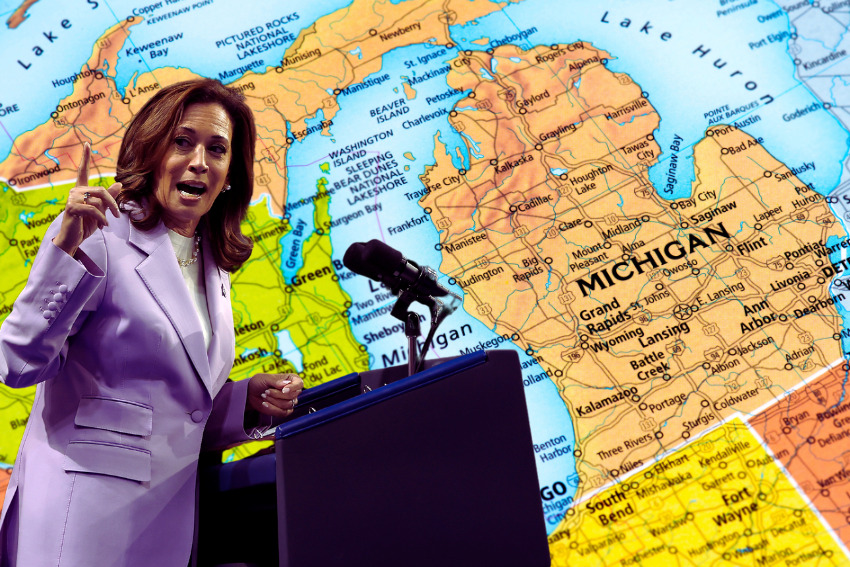
Michigan plans to add 1,220 new homes in 3 cities
Governor Whitmer announced major housing and development initiatives across three Michigan cities.
Governor Whitmer announced major housing and development initiatives across three Michigan cities.

State Sen. Sarah Anthony’s Tenant Empowerment Package is back on the table in Lansing—with new tools to protect Michigan renters and hold their landlords accountable.

Over the past two years, Michigan Democrats have used their majority control in both chambers of the state Legislature—and the governor’s office—to pass hundreds of bills
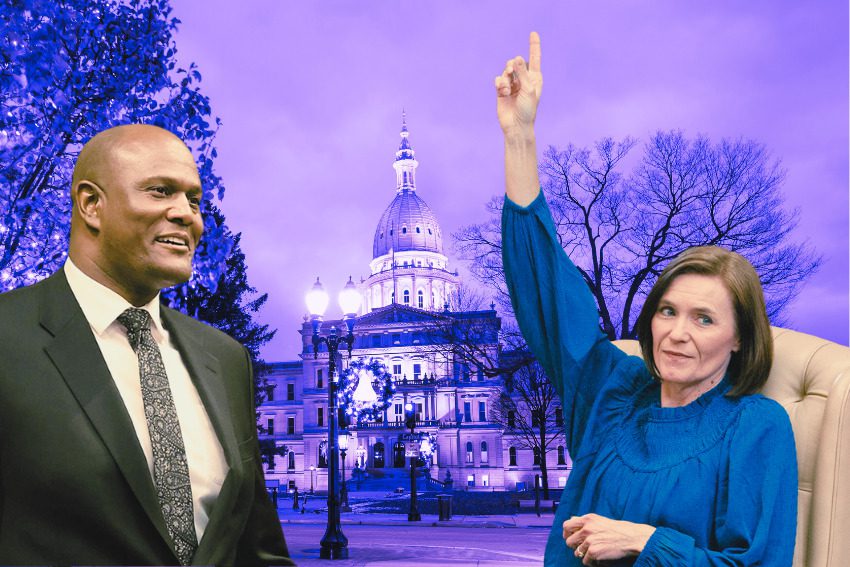
Reps. Cynthia Neeley (D-Flint) and Kristian Grant (D-Grand Rapids) have introduced four bills intended to streamline the housing development process to help address the state’s housing crisis.
Housing advocates from across the state gathered in Lansing to continue their push to reform the state laws around landlords and tenants.

During Tuesday’s vice presidential debate, Tim Walz highlighted the importance of building more affordable homes for families and holding accountable Wall Street investors who buy up housing and treat it as a commodity, while JD Vance continued to demonize undocumented immigrants and blame them for the nation’s housing shortage.

Harris has vowed to increase the available housing supply by three million homes and to provide lower-income first-time homebuyers with up to $25,000 in down payment support. Trump, on the other hand, has offered no specific plans for addressing the housing crisis.

The announcement from the Federal Reserve will lower mortgage rates and encourage more building of apartments, which could lower rental costs.
After years of a worsening housing crisis in Michigan, Kamala Harris’ proposals seek to create three million homes by 2028, provide down payment assistance to first-time home buyers, and crack down on price fixing among corporate landlords.
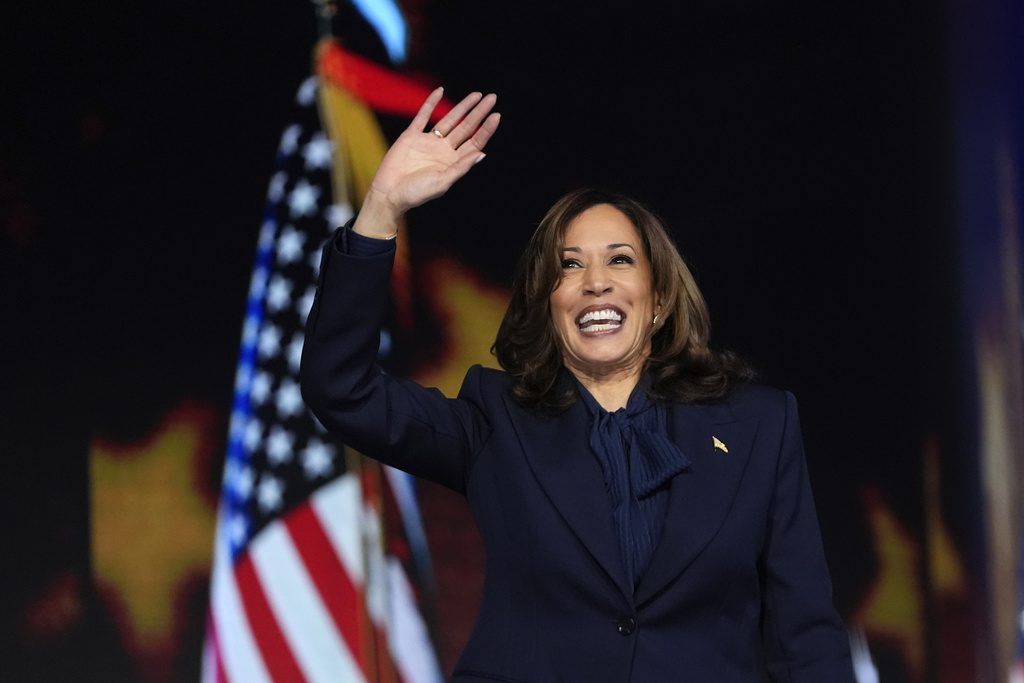
New plans from Vice President Kamala Harris spell out how she would spend the first 100 days of her presidency focused on lowering costs for working families.