DETROIT—The city of Detroit has agreed to pay $300,000 to a man who was wrongly accused of shoplifting and also change how police use facial recognition technology to solve crimes.
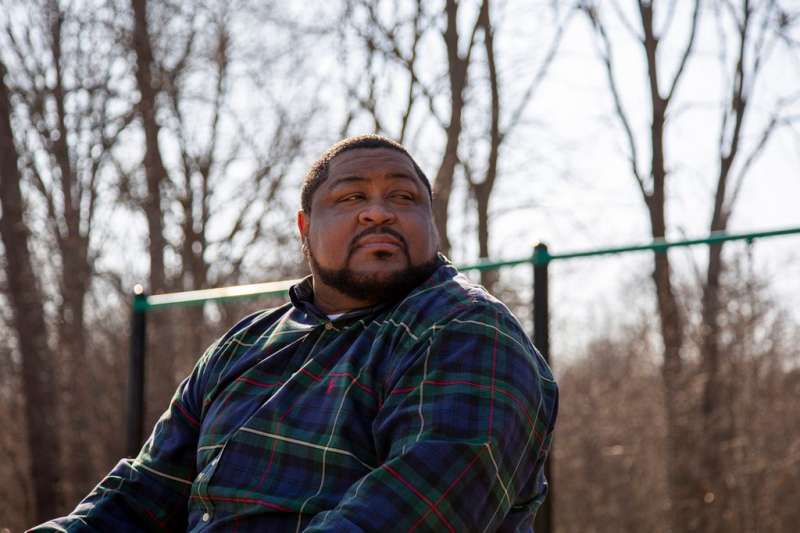
The conditions are part of a lawsuit settlement with Robert Williams. His driver’s license photo was incorrectly flagged as a likely match to a man seen on security video at a Shinola watch store in 2018.
“We are extremely excited that going forward there will be more safeguards on the use of this technology with our hope being to live in a better world because of it,” Williams told reporters, “even though what we would like for them to do is not use it at all.”
The agreement was announced Friday by the American Civil Liberties Union and the Civil Rights Litigation Initiative at University of Michigan law school. They argue that the technology is flawed and racially biased. Williams is Black.
Detroit police will be prohibited from arresting people based solely on facial recognition results and won’t make arrests based on photo lineups generated from a facial recognition search, the ACLU said.
“They can get a facial recognition lead and then they can go out and do old-fashioned police work and see if there’s actually any reason to believe that the person who was identified … might have committed a crime,” said Phil Mayor, an ACLU attorney.
There was no immediate comment from Detroit police on the settlement. Last August, while the litigation was still active, Chief James White announced new policies about the technology. The move came after a woman who was eight months pregnant said she was wrongly charged with carjacking.
White at that time said there must be other evidence, outside the technology, for police to believe a suspect had the “means, ability and opportunity to commit the crime.”
The agreement with Williams says Detroit police will go back and look at cases from 2017 to 2023 in which facial recognition was used. A prosecutor will be notified if police learn that an arrest was made without independent evidence.
“When someone is arrested and charged based on a facial recognition scan and a lineup result, they often face significant pressure to plead guilty,” Mayor said. “That is all the more true if the individual — unlike Mr. Williams — has a criminal record and thus faces longer sentences and more suspicious police and prosecutors.”