By Clara Lincolnhol, Capital News Service
LANSING—Cannabis—pot, weed or recreational marijuana—is legal in 24 states including Michigan, and about 15% of American adults smoke it.
Michigan placed fifth in the nation for overall cannabis production in 2022, according to the World Population Review.
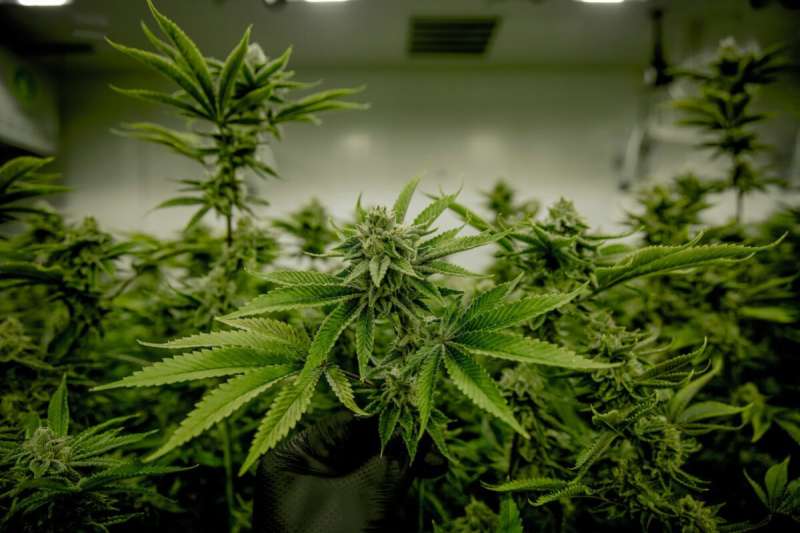
New research says workers picking, grinding and packaging cannabis are developing workplace-related asthma.
Two workers are known to have died from asthma-related complications, the study said.
Work-related asthma occurs when someone develops new allergies to something in the workplace or when pre-existing asthma is triggered by something in the workplace, said Kenneth Rosenman, a co-author of the study and Michigan State University medical researcher.
“There are a number of allergens and substances capable of causing allergic reactions,” Rosenman said. “The two big ones were the cannabis dust itself or the plant dust and the disinfectants they use.”
The study looked at data from Michigan, California, Massachusetts and Washington and found 30 cases of work-related asthma. Five of those cases were in Michigan.
The study in the Journal of Occupational and Environmental Medicine says it’s likely the number of work-related asthma cases are higher, but workers under-report such problems.
Of those reported, 13 were new-onset asthma cases, meaning the employees didn’t have asthma before they began working in the cannabis industry. The two deaths occurred in California and Massachusetts.
Rosenman, the chief of MSU’s Division of Occupational and Environmental Medicine, said it’s important to take work-related asthma seriously because it sends workers to the emergency room and makes it difficult to breathe.
“If somebody’s becoming allergic and having their asthma from exposure to something, you want to get the person away from that substance, whatever that is,” he said.
He said one of the two deaths in the study occurred because the victim’s health care provider didn’t set medical restrictions to help the patient.
“The person went to the doctor multiple times and said, ‘Doc, I can’t breathe when I go to work. I just can’t tolerate this.’ and yet, the doctor didn’t write medical restrictions, didn’t tell the person to get out of there, and the person died,” Rosenman said.
Rosenman said workers need medical providers to write restrictions because that makes them eligible for workers’ compensation and unemployment insurance.
“The doctor can’t just say, ‘Hey, quit. You know your job’s bad for you,’’’ Rosenman said. “They have to be willing to write that note that says, ‘This is a work-related condition and this person is eligible for workers’ compensation.’ Otherwise, you’re just out on the street with nothing.”
He said the cannabis industry should improve workplace conditions to prevent development of asthma by using disinfectants that don’t induce allergies.
It should also ensure there’s sufficient ventilation in the workplace because humid, hot temperatures make asthma worse, he said.
It’s also important for companies in the industry to do medical surveillance and screen their workers for asthma before anything serious develops, but no company does that currently, he said.
“It would make sense to have a medical screening program where people would be evaluated once a year,” Rosenman said.
“If they have symptoms in between, it wouldn’t have to be complicated. It would be more like a questionnaire and it would get reviewed by somebody who understands what asthma and work-related asthma is,” he said.
“This is clearly a preventable disease,” Rosenman said. “Industry needs to be responsible and workers need to speak out and talk to their health care providers.”