BY ANNA LIZ NICHOLS, MICHIGAN ADVANCE
MICHIGAN—Amid increasing need, the US Department of Agriculture has cancelled about $4.3 million in food orders to Michigan, equating to more than 2 million meals, according to the Food Bank Council of Michigan, or FBCM.
The network of seven food banks that are members of FBCM serve communities around Michigan and are working to make up for the cancelled meals, but the sudden and unexplained cancellation by the USDA hasn’t placed the council in a good position to address food insecurity in Michigan, Executive Director of FBCM Phillip Knight told Michigan Advance.
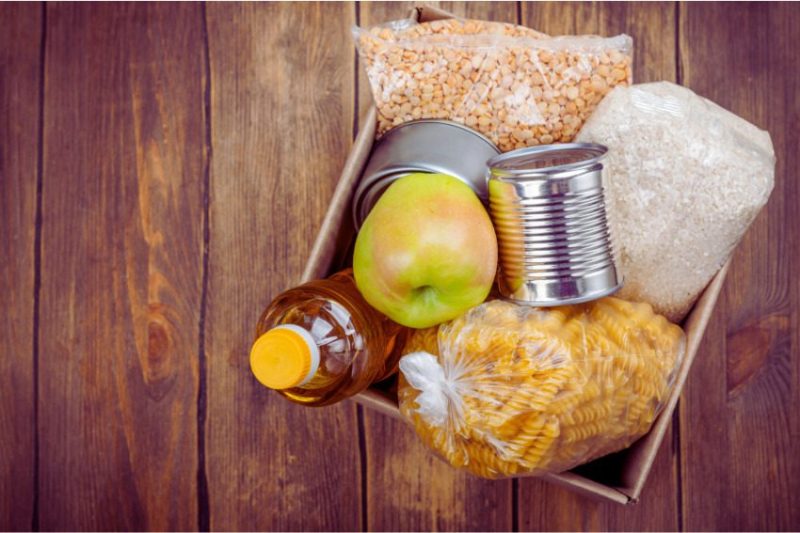
The food banks and organizations they partner with statewide had planned around the scheduled food deliveries throughout April to August, Knight said. The orders included chicken, pork, turkey, cheese and eggs as a part of the USDA’s Emergency Food Assistance Program which is in-part funded by the federal Commodity Credit Corporation, or CCC.
The Secretary of Agriculture has full discretion over how funds are allocated, Knight concedes, but the lack of communication with food banks explaining why the cancellations happened and what the future of food supplies orders will look like doesn’t serve as a solid foundation to address future hunger across states.
Food banks and food bankers will come up with creative solutions to work around not having the expected meat, eggs and cheese, but the foods may be less substantive replacements, Knight lamented and that isn’t a trade off food banks like to make for the sake of addressing hunger in households.
“We want to do the best we can for families, not the least. We want to do the best, because we in this culture in America, we use food to communicate value,” Knight said. “When somebody’s coming to visit you, you think, ‘what can I make for them that I make really good’… because you care about them… because you love them. We use food to communicate that.”
Now the council is concerned that without a formal explanation of why the shipments were cancelled and if Michigan can plan on any future shipments, it’s unclear how food banks will overcome the strain of scrambling to find other resources and meet growing demands in communities of need. Furthermore, Knight reasoned that the farmers and food producers who would have been paid through the Emergency Food Assistance Program will likely suffer as the program also serves to stabilize food markets so any overproduction can still generate profits for producers and benefit food pantries.
As food banks in other states face similar halts on expected orders, the USDA is reporting that they are reorganizing programs to promote sustainability with more reasonable expectations. In March, Nevada received notice that federal funding for programs serving the state’s two major food banks would be cut, with the USDA decrying the usage of the Commodity Credit Corporation federal funds, according to the Las Vegas Review-Journal.
“Unlike the Biden Administration, which funneled billions in CCC (Commodity Credit Corporation) funds into short-term programs with no plan for longevity, USDA is prioritizing stable, proven solutions that deliver lasting impact. The COVID era is over—USDA’s approach to nutrition programs will reflect that reality moving forward,” a USDA spokesperson told the Las Vegas Review-Journal.
With new administrations come new rules, Knight said, and the food banks are good about tapping other community resources to accommodate when food shipments don’t work out. He added that it’s not uncommon for shipments from the USDA to be cancelled as sometimes the weather, a bad harvest or other factors impact produce, but when Michigan was expecting 123 semi trucks full of protein-filled substantive food like chicken and pork, it’s hard for the food banks to replace that sudden loss.
So now FBCM is going to rely on other resources within USDA’s Emergency Food Assistance Program that the department has made available, Knight said, but that food isn’t expected to make it to Michigan for six months.
“Why didn’t we do this more thoughtful so that it doesn’t injure the farmers, it doesn’t injure the food banks, and it doesn’t injure the families that we serve and then create a six month food gap that food banks are going to have to try to fill?” Knight said.
In the Trump administration’s pursuit of trimming down government spending and improving efficiency of federal dollars, the USDA has also cut more than $1 billion from two programs that helped food banks and school meal programs purchase food from local distributors with U.S. Agriculture Secretary Brooke Rollins calling the programs “nonessential.”
When a person is hungry or having to daily think about where their next meal will come from, they only have one problem, Knight said. The “toxic stress” of being food insecure and having to worry about feeding your family keeps generations of Michiganders from being able to tackle how to improve their lives, access education, get a better job and make moves to get to a better place. Offering the help of food to a household creates rippling effects in a community, Knight added.
“Let’s stop thinking about people who are struggling with hunger as a problem to be solved,” Knight said. “Instead, let’s start thinking of them as people who are worthy of an investment.”
READ MORE: Trump administration tries to claw back $400M in public health funding from Michigan
This coverage was republished from Michigan Advance pursuant to a Creative Commons license.