Overdose deaths have recently identified new animal tranquilizers during postmortem toxicology testing in three Michigan counties since March.
Medetomidine is commonly used to provide sedation and pain relief to dogs undergoing veterinary examinations and procedures. The drug can cause adverse effects — including slowed heart rate, low blood pressure, and decreases in brain and spinal cord activity — and it is not approved for use in people.
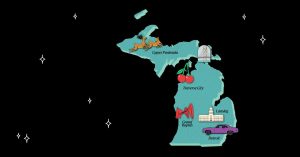
Since March, three overdose deaths have identified medetomidine during postmortem toxicology testing, according to data provided by the Swift Toxicology of Opioid-Related Moralities at Western Michigan University Homer Stryker M.D. School of Medicine Mortalities. The deaths occurred in Ingham, Berrien, and Wayne counties.
“Medetomidine is considered more potent than xylazine and we want to make sure Michigan residents are aware of this new and dangerous drug showing up in overdose deaths in our state,” said Dr. Natasha Bagdasarian, chief medical executive, in a recent press release.
The Michigan Department of Health and Human Services (MDHHS) is particularly concerned about this drug for three reasons, according to the press release:
- Medetomidine can cause central nervous system depression and death
- Like xylazine, medetomidine is not reversed by medications such as naloxone or Narcan
- Testing strips are not available to detect this particular drug
“Even though naloxone doesn’t directly reverse the effects of medetomidine or xylazine, these tranquilizers are usually found in combination with opioid drugs like fentanyl, which can be reversed. For this reason, we continue to urge individuals who use drugs and their loved ones to carry naloxone to prevent overdose,” said Dr. Bagdasarian.
MDHHS is urging local substance use disorder organizations, health care providers, and harm reduction agencies to raise awareness and promote harm reduction practices. This includes distributing naloxone as well as fentanyl and xylazine test strips to residents and having conversations about gaps and barriers that may exist in their community.