BY KYLE DAVIDSON, MICHIGAN ADVANCE
The Michigan Department of Natural Resources (DNR) is urging anglers and paddlers to decontaminate their wader, watercraft and gear after didymo cells were detected in algae samples taken from the Au Sable River.
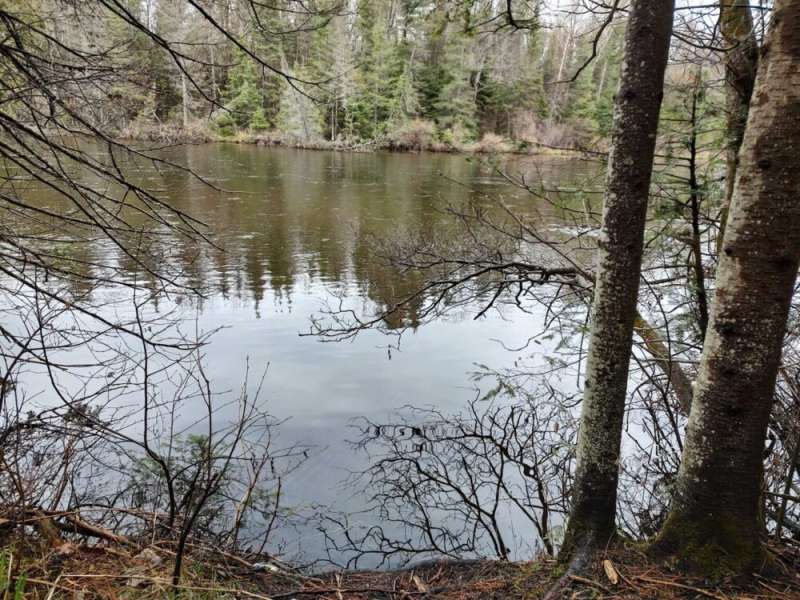
In late April, Michigan Trout Unlimited, a conservation organization focused on protecting coldwater fisheries, found several didymo cells in a sample taken at the Parmalee Canoe Launch in Oscoda County, and one cell in a sample taken downstream at the Whirlpool Canoe Launch in Mio. No evidence of didymo was found upstream or further downstream in other tributaries sampled.
Didymo, also known as “rock snot,” is a type of algae that thrives in cold, low-nutrient streams. Under certain conditions the cells can form extensive stalks or blooms, creating thick mats that cover stream beds and reduce habitats for species like mayflies, caddisflies and stonefly nymphs, which are crucial food sources for fish.
While no blooms have been found at either access site, Michigan Trout Unlimited, alongside the DNR and the Department of Environment, Great Lakes and Energy (EGLE), are advising anyone using the stream to clean their boats and equipment between every visit to avoid spreading the algae.
“With trout season now open across the state and paddle sports gearing up for the summer, it’s important to remind everyone enjoying Michigan’s streams and rivers to take steps to decontaminate to prevent further spread of didymo and aquatic invasive species,” Bryan Burroughs, executive director of Michigan Trout Unlimited. said in a statement.
According to a statement from the DNR, didymo is believed to be native to certain parts of the Great Lakes Basin, but the extent is unknown. Didymo blooms are sporadic and do not persist through the entire year or every fishing season, however DNR urges vigilant decontamination efforts to reduce harm to streams.
Efforts to understand the extent and behavior of the algae in Michigan waters are ongoing.
- The DNR advises anyone exiting waters in the state to pack a scrub brush, towels and chemical disinfectant for when they exit the waters, and to clean, drain and dry gear between trips or before moving to a new body of water.
- Michigan Trout Unlimited’s pamphlet “Stopping the Spread of New Zealand Mudsnails” also provides guidance on decontaminating gear using a variety of methods.
- The DNR also advises anyone who encounters didymo in new locations to photograph it and submit a report using the Eyes in the Field online reporting system.
This coverage was republished from Michigan Advance pursuant to a Creative Commons license.