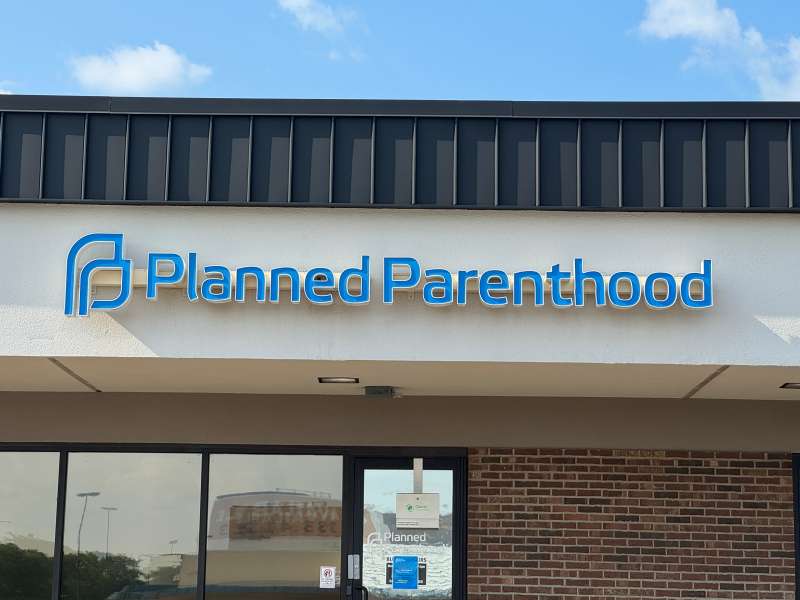
Some Michiganders may soon have to travel even farther to access affordable, comprehensive reproductive healthcare.
On Thursday, Planned Parenthood of Michigan (PPMI) announced that the organization would be permanently closing more health clinics across the state as part of a “network reorganization.” The change comes after a $4.2 million decline in patient care reimbursement and federal family planning funding on top of an “unsustainable” $5.6 million in uncompensated and undercompensated care.
This reorganization includes the permanent closure of three health centers in Lansing, Livonia, and Warren effective July 30. These locations join the other three clinics that PPMI has closed over the past year—shutdowns that took effect alongside other cost-reducing efforts by the organization, including eliminating its education department and concentrating resources on direct patient care.
Related: Federal funding cuts cause Planned Parenthood of MI to close its education department
“We have to reshape how we deliver care so Planned Parenthood of Michigan can continue serving patients for generations to come,” said Paula Thornton Greear, president and CEO of PPMI, in a press release.
“That means concentrating our resources at regional access points and procedural sites and continuing to expand virtual care across Michigan. These are painful decisions, but they are strategic decisions grounded in where we can preserve access for the greatest number of patients.”
The return of Medicaid reimbursement earlier this month was welcome news for millions of Michiganders who relied on it to afford critical healthcare after Republicans backed the Trump administration’s reconciliation bill, effectively blocking Americans from receiving lifesaving care from organizations like Planned Parenthood—including cancer screenings, contraception, and STI testing. But PPMI says that the restoration of billing doesn’t recover the revenue lost over the past year, or eliminate ongoing threats to safety-net health care funding.
Related: ‘Big, Beautiful Bill’ will cost Michiganders—here’s how much and who’s responsible
Meanwhile, PPMI says it is working with counties and state partners to build a reliable funding model, one that does not depend on federal policies, to help Michiganders access care in the future.
“Maintaining continuity of care for our patients is our highest priority,” said Dr. Kate Starr, chief medical officer of PPMI, adding that the organization is working with patients to make sure their treatment plans, prescriptions, and ongoing care continue.
“Whether patients see us in person at one of our health centers or through virtual care, our commitment to person-centered, evidence-based medicine remains absolute,” said Starr.
Michiganders can continue to access services through PPMI’s seven remaining health centers and the Virtual Health Center, which serves over 10,000 patients annually, as well as the PP Direct app, which offers 24/7 access to birth control, medication abortion, emergency contraception, and UTI treatment.
“The measure of this organization has never been how many buildings we operate—it is whether people can get the care they need when they need it,” said Greear.
“We are making these painful decisions today so that Planned Parenthood of Michigan stays grounded, resilient, and ready to serve the next generation.”