Animals
-
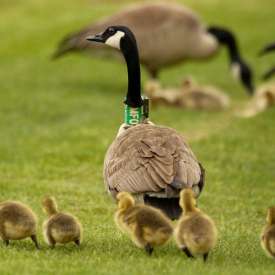
More goose poop, more problems
A whopping 280,000 Canada geese now live in Michigan. That means a lot of goose poop and too much waste can cause environmental problems.
-
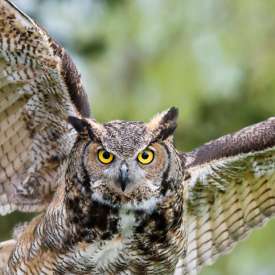
Hoot, there it is: Michigan’s winter owls and how to spot them
Whether you’re in the forest or at your neighborhood park, there’s a chance you’ll be able to spot one of these birds of prey.
-
Here’s how Michiganders can make this winter less ‘ruff’ for their pets
As temperatures drop to below freezing, here’s what Michiganders can do to keep their pets warm and safe this winter.
-
Michigan Attorney General warns families to be on the lookout for puppy scams
Learn how to avoid the heartbreak of puppy scams this holiday season.
-
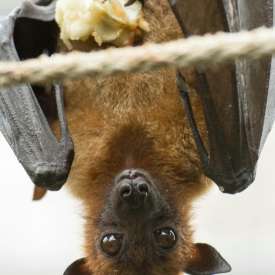
Go Batty: October is Bat Appreciation Month
October is Bat Appreciation Month, and these winged creatures offer valuable benefits to the environment and economy.
-
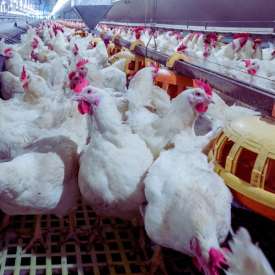
Enviros cheer Michigan Supreme Court upholding tighter rules for factory farms
The Michigan Supreme Court upheld the state’s ability to announce stricter permit conditions for factory farms than outlined in the department’s formal rules.
-
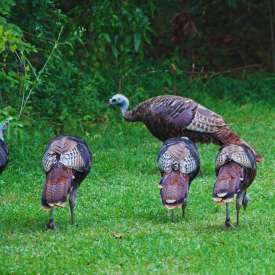
DNR asks Michiganders to report turkey brood sightings this summer
The Michigan Department of Natural Resources is asking Michiganders to participate in the annual wild turkey brood survey to help monitor turkey populations in the state.
-
Whitmer partners with Army Corps to block invasive species from the Great Lakes
Michigan is cosponsoring a new effort to prevent invasive species from entering the Great Lakes.
-
Farm bill advances from US House panel but faces a tough row to hoe
Republicans moved their long-awaited new farm bill through the US House Agriculture Committee this week, despite opposition from most Democrats that could stall further advancement of the bill.
-
Farm bill text released in US House, setting up fight with Senate
The US House Agriculture Committee Friday released the draft bill text of the long-awaited $1.5 trillion farm bill, which is likely to face opposition in the Senate from Democrats due to disagreements over federal anti-hunger programs and climate change requirements.