Animals
-
11 ways to put a spin on this year’s Thanksgiving turkey
Whether you’re new to Thanksgiving prep or are a seasoned chef, cooking a delicious turkey is of utmost importance. Here are 11 standout ways to cook this year’s bird.
-
Dozens of costumed canines get their chance to trick-or-treating at Howloween event in Michigan
Dogs dressed up as everything from Elvis Presley to Scooby Doo’s Mystery Machine went trick-or-treating in Michigan’s capital Friday.
-
10 most terrifying haunted houses in Michigan
From underground warehouse tunnels to multi-level scares, these haunted houses in Michigan will terrify even the most hardened of thrill seekers.
-
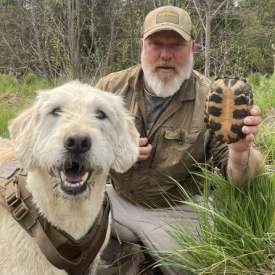
Mooz the dog helps scientists study threatened turtles
A 9-year-old labradoodle is helping to conserve the threatened wood turtle in Michigan.
-
How to travel around Europe without leaving Michigan
Want to explore European countries without boarding a flight? Check out Michigan’s best European-inspired sights and attractions.
-
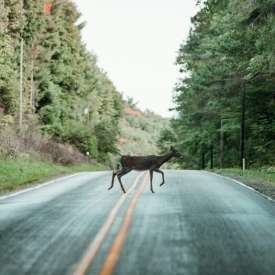
Study finds high risk of injury or death in motorcycle-deer collisions
Motorcyclists are especially vulnerable to injury or death when colliding with deer, according to a recent study.
-
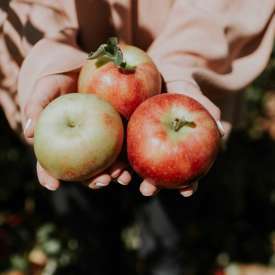
Your 2025 guide to apple picking in Michigan
We’ve got the when and where to go for all your apple picking in Michigan fall fun needs, so bring on the apple cider!
-
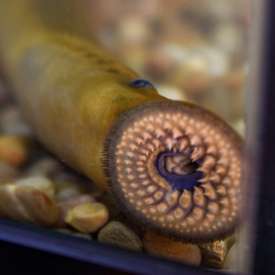
EPA grant will fund barrier to stop spread of sea lamprey in Grand River
The Great Lakes Fishery Commission will receive a $2.1 million grant to address the invasive sea lamprey in the Grand River in Grand Rapids, Michigan.
-
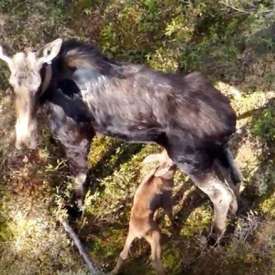
Researchers studying why Michigan’s moose population isn’t growing
Researchers were once confident Michigan’s moose population could reach numbers in the thousands within 15 years. Since 2010, estimates are between 400 and 500.
-
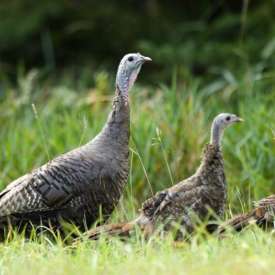
Michigan residents encouraged to report wild turkey sightings this summer
A survey asks residents to report the number of wild turkeys they see this summer to find out if baby turkeys are replacing adults.