State Economy
-
What is Biden doing for Michigan? Nonprofit group launches new website to keep track
Since President Joe Biden took office, more than 5,400 infrastructure projects have been announced across the state of Michigan.
-
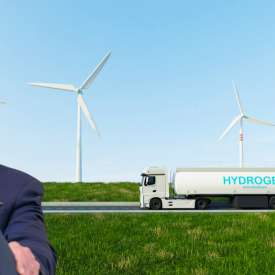
Biden administration funds to bring 500+ new Michigan jobs to hydrogen fuel ‘gigafactory’
Federal grant funding awarded this month is set to help build a new hydrogen fuel factory in Plymouth and create hundreds of new jobs.
-
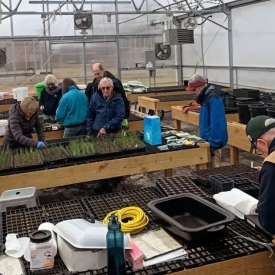
State funding to boost farmers—and build Pontiac’s first new grocery store in a decade
A state grant awarded to a nonprofit organization in Pontiac will help launch the first new grocery store to open in the city in about the last 10 years.
-
Michigan Rep. Elissa Slotkin, a national security expert, gets real about the threat from Russia
The Holly native was a CIA analyst, did three tours in Iraq, and worked for the Department of Defense under two presidents. She says the ocean can’t keep Americans safe from Putin.
-
Opinion: The American Rescue Plan is worth celebrating in Michigan
On the third anniversary of this landmark legislation, it is imperative to reflect on the positive impact this law continues to have here in Michigan and across the country.
-
How Michigan lawmakers helped turn $4.5M into $450M—and erase debt for 180K people
State lawmakers earmarked $4.5 million to forgive medical debt. Those funds have gone on to help erase about $450 million in debt for 180,000 Michiganders.
-
Program aims to eliminate $700M in medical debt for Wayne County residents
A new program designed to provide relief from medical debt was announced Thursday for up to 300,000 Wayne County residents.
-
Want a new job? Whitmer’s administration is hooking Michiganders up with apprenticeships.
More than $1.1 million in state grants awarded this month is set to help Michigan workers access the training and skills to prepare for new, high-wage jobs.
-
Report: 5 big problems facing rural Michiganders—and how to solve them
A recent report from the state Office of Rural Prosperity identifies the biggest challenges facing rural Michiganders this year.
-
9 quick hits of cannabis news from across Michigan
There’s never a shortage of newsworthy headlines from the cannabis industry as Michigan inches closer to becoming the nation’s weed capital.