Michigan teachers already know about increasing rates of anxiety and depression among today’s teens—they see it firsthand in their classrooms every day.
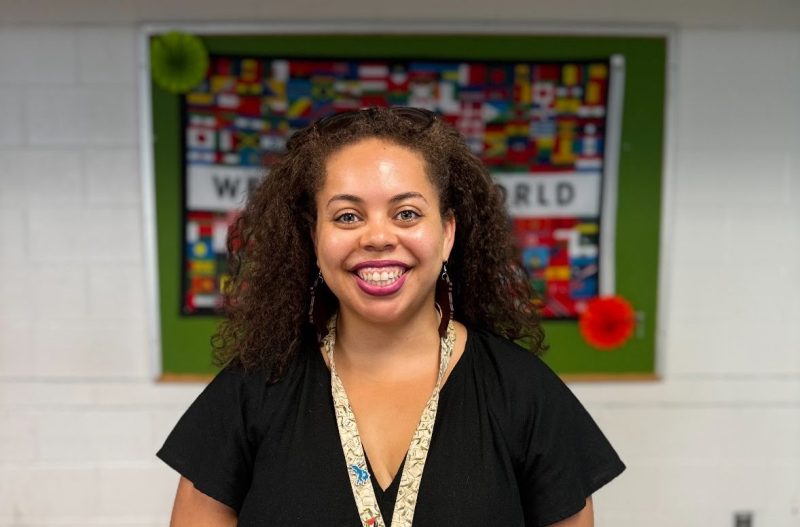
“Our kids really do need support,” said Kelsey Wiley, a public high school English teacher in Metro Detroit, adding that she’s noticed an uptick in the number of students approaching her to talk about their mental health struggles this year.
“I’m an English teacher. I’m not a licensed social worker, I’m not a therapist, but I do what I can,” said Wiley, adding that she’s instituted weekly wellness checks in her classroom. Each week, during the first few minutes of class, Wiley’s students fill out a survey to gauge their emotional well-being, and include questions about whether they’re getting enough sleep, eating regularly, and staying hydrated.
Once the wellness checks have been collected, Wiley provides resources for students who are struggling—whether that’s offering them a listening ear after class or encouraging them to connect with a school counselor, social worker, or other trusted adult.
Wiley said her check-ins haven’t gone unnoticed. Many students, even those not in her class, come to her if they are seeking support.
“I’ve kind of turned into the teacher therapist, but I’m happy to be a safe space for my students because I think that establishing trust and building those relationships goes a long way,” said Wiley.
Researchers agree. Studies have shown that when students have a supportive adult in their life, like a trustworthy teacher, they report lower rates of anxiety and depression compared to peers who don’t have that support.
While attending a recent event with the Michigan Organization on Adolescent Sexual Health at Grand Valley State University, Wiley was reminded that positive adult-child relationships are critical for LGBTQ+ students, who often experience harassment and discrimination because of their gender identity and/or sexual orientation, and report significantly higher rates of attempting suicide because of it.
“One of the most prevalent messages that resonated with me is that this [support] is suicide prevention our kiddos need,” said Wiley, adding that having at least one supportive adult in the life of a LGBTQ+ student significantly reduces suicidal ideation, especially among transgender and nonbinary youth.
Related: A therapist and a scientist talk about how gender-affirming care impacts LGBTQ+ youth in Michigan
Mental health matters in Michigan schools
Outside of her classroom, Wiley works with other local educators—and lawmakers—to ensure that students across Michigan receive the mental health support they need in school.
Over the last five years, she has been selected multiple times as a fellow for the Michigan Teacher Leadership Collaborative, which connects educators across the Great Lakes State with policymakers and provides opportunities to propose legislative solutions, testify, and meet with decision-makers at the local and state levels.
Over the course of her fellowship, Wiley has focused on supporting policies that invest in additional resources, including mental health support, in public schools. In 2023, she worked alongside Sen. Darrin Camilleri and other education advocates to establish an Opportunity Index in the state school budget. The funding formula accounts for how a school district’s poverty levels affect overall funding and provides those districts with additional resources—such as school counselors and social workers—to level the playing field.
The Opportunity Index received praise from Michiganders, including Gov. Gretchen Whitmer, and was included in the state budget in 2024.
Wiley hopes that this success will encourage other Michigan educators to advocate for equitable access to mental health resources across their school districts, and, at the end of the day, help students like hers feel seen and heard.
“Relationships are at the core of what we do as teachers. It’s integral with educating them and having knowledge, but building relationships and showing what respect looks like, I think, goes such a long way,” said Wiley.
“I think about all the kids that I’ve taught in the nine years I’ve been teaching, and I hope that if they remember anything about me, they’ll say, ‘At least she was kind.’”
Related: Opinion: School social workers make all the difference for Michigan students