As artificial intelligence (AI) creeps into classrooms across the country, some teachers are resorting to “old school” methods.
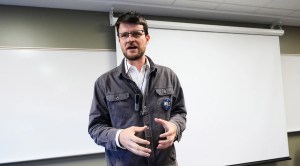
“With the advent of AI, I’m going back to strategies I haven’t used since the beginning of my career,” said Kelley Cusmano, a high school English teacher in Metro Detroit. This includes having students handwrite drafts before escorting them to the school’s computer lab to write their papers digitally—and then comparing the typed copies and handwritten drafts for changes or potential AI use.
National studies reveal that more than half of US teens say they have used AI chatbots to search for information or get help with schoolwork. Others show that students who use generative AI are experiencing declines in content knowledge, critical thinking, and creativity.
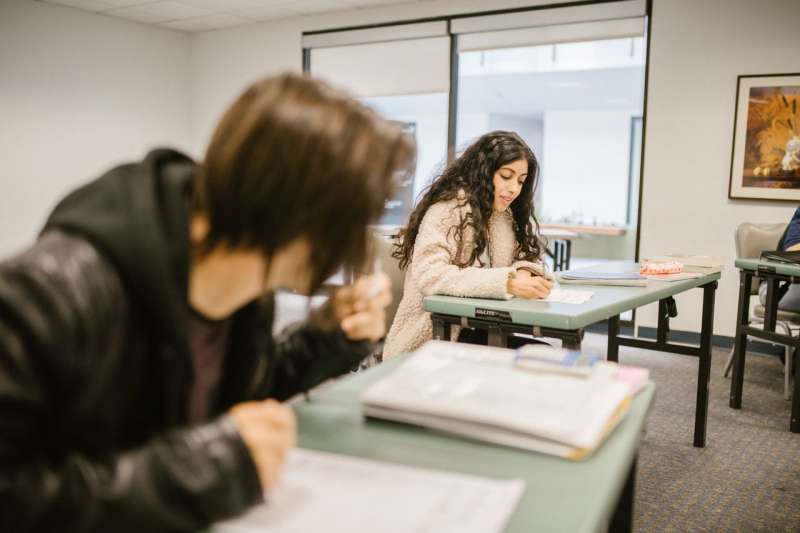
In response, educators like Cusmano are developing lesson plans that students can’t use AI to solve. This includes more in-class work and assignments that require a level of authenticity that AI can’t replicate.
For Cusmano’s sophomore English class, for example, students are assigned to interview someone in their own life about the “American Dream” and use their findings as the foundation for an oral history project.
“Research is very easy to AI your way out of. A kid will always, if presented, take the easy way out, and it’s not because they’re a bad human or they’re unethical. They’re wired to do what’s easiest if it’s presented to them,” said Cusmano.
She adds that assignments like the oral history project allow for more educational participation from students’ parents and families, relationships that teachers have had to increasingly rely on as AI use increases in and out of the classroom.
Student-led pushback against AI overreach
But as AI use among students grows, so does their disdain for the technology.
Recent polling and studies have revealed that an increasing number of teens across the US are becoming skeptical, and even frustrated, about AI. Alongside their parents, some are even channeling their growing frustration around the technology—and the lack of accountability from Big Tech CEOs when AI is misused—by working with state and federal lawmakers to advocate for legislative change.
Related: Michigan lawmakers and parents are done waiting for Big Tech to protect kids
Over the years, Cusmano has seen that same disdain for AI increase in her own students. Recently, after reading Ray Bradbury’s Fahrenheit 451 as part of a class assignment, Cusmano said that students related to several themes that were found in the novel, including those surrounding the idea of mass distraction and the erosion of critical thought.
“I have taught Fahrenheit 451 for 17 years. I’ve never seen so many parallels to the dystopian society that Bradbury describes as this year, but what was even more powerful is that my students caught on too,” said Cusmano, adding that her students related to the author’s concerns over technology replacing original human thought.
“I didn’t have to connect the dots for them. They did it themselves. I think people don’t realize that kids are such amazing thinkers and, yes, there are some that it’ll take a while for things to click, but we are doing our best to make sure it clicks in early and often,” said Cusmano.
Fighting for the future of education
Cusmano and her students aren’t the only ones connecting the dots between AI and educational shifts. On May 27, Randi Weingarten, president of the American Federation of Teachers, called on state and federal lawmakers to establish stronger regulations regarding artificial intelligence in schools. This includes limiting screen use before third grade, cutting down on “student-facing” AI-like digital tutors in elementary school, and restricting companion chatbots, including any AI program that simulates human relationships, for students under 16.
“I am not calling for a ban on AI or a bonfire of Chromebooks. I am calling for the tech industry to not have this overwhelming influence that basically stops legislatures from doing what they need to do, to protect society and to protect our children,” said Weingarten during the press conference.
Weingarten is also demanding that the federal government develop AI safety research and teacher training programs, as well as a “Big Tech Tax” that forces companies whose products cause harm to pay for damages.
“Our true goal is to have students who can work together and problem solve. They must be able to pull their collective knowledge, strengths, and perspectives, because today’s problems are greater than each of us—but they are not greater than the sum of us,” said Weingarten.
Related: Meta’s ‘teen safety’ tools are failing Michigan kids—and Republicans aren’t helping