By USA Today Network
A Michigan man who received a kidney transplant in late 2024 died from rabies, transmitted from the donor’s organ, weeks later, the Centers for Disease Control said in a report issued this month.
“(The) diagnosis of rabies in a kidney transplant recipient with no recognized animal exposure resulted in a multistate public health investigation to ascertain whether the kidney donor had undiagnosed rabies, identify other donor organs and tissues, and identify rabies-exposed persons,” the CDC said in its Dec. 4 Morbidity and Mortality report.
The transplant rabies infection was just the fourth in the U.S. since 1978, the CDC said. The previous cases resulted in 13 infections and seven deaths. Rabies is almost always fatal without prompt treatment.
The Michigan transplant recipient died at the end of January 2025. After his death, an investigation located kidney biopsy samples in which the CDC detected rabies virus RNA consistent with a silver-haired bat rabies virus variant.
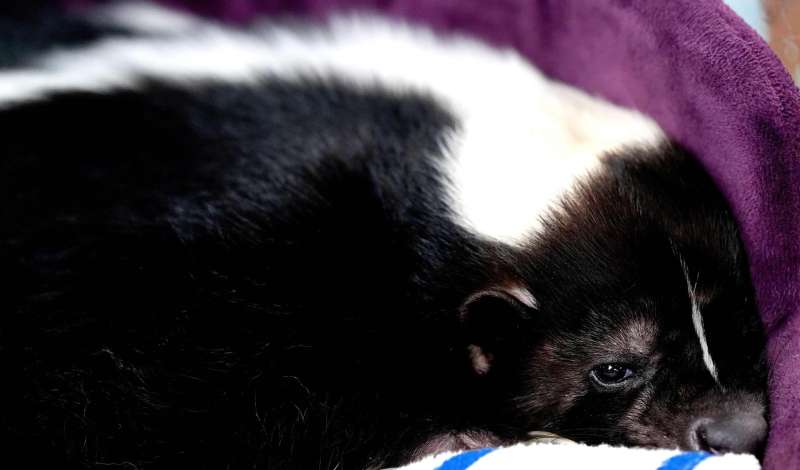
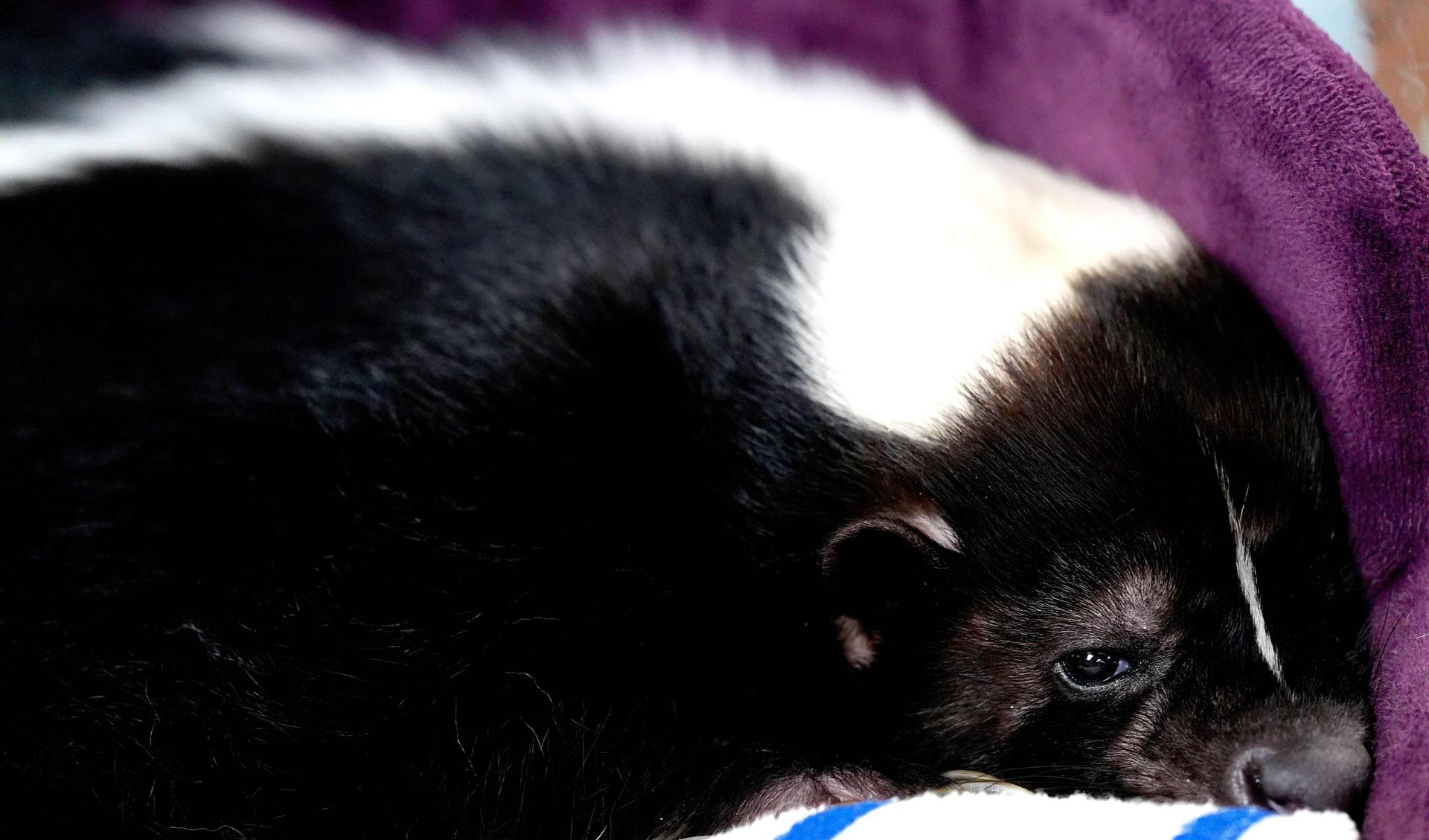
In later interviews with the donor’s family members, investigators discovered the person had been scratched by a skunk weeks before their death while protecting a kitten, and had exhibited rabies-like symptoms before their death. The CDC believes a bat bit the skunk, which then scratched the donor.
In addition to the kidney recipient, three people, one each from California, Idaho, and New Mexico, received cornea grafts in December 2024 and January 2025, the CDC said. All three recipients had their grafts removed after the Michigan man was diagnosed and received rabies treatments. None developed rabies.
A planned fourth corneal graft to a Missouri patient was cancelled.
The CDC said tests detected rabies virus RNA consistent with a silver-haired bat rabies virus variant in one of the implanted corneal grafts.
In addition, 370 health care workers and others exposed to either the kidney donor or recipient were interviewed, and 46 underwent rabies treatment as a precaution, the CDC said.
The CDC said none of the donor’s other organs were transplanted, but some tissue and organs was used in training in Maryland, although none remained for testing by the time of the discovery.