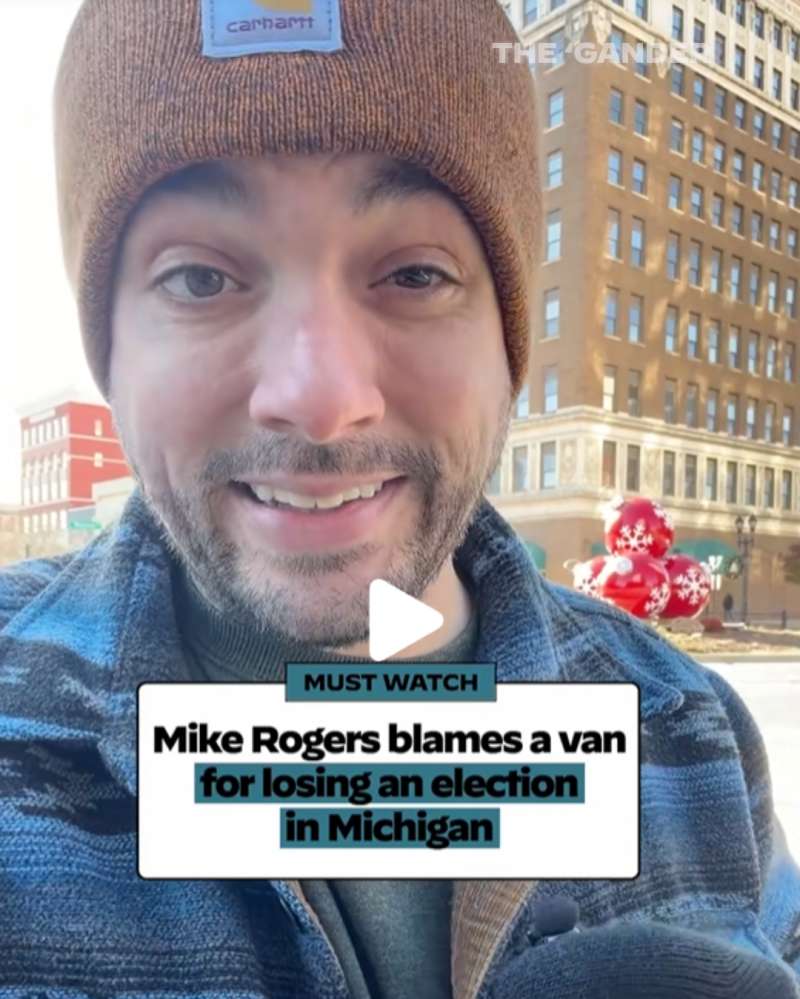
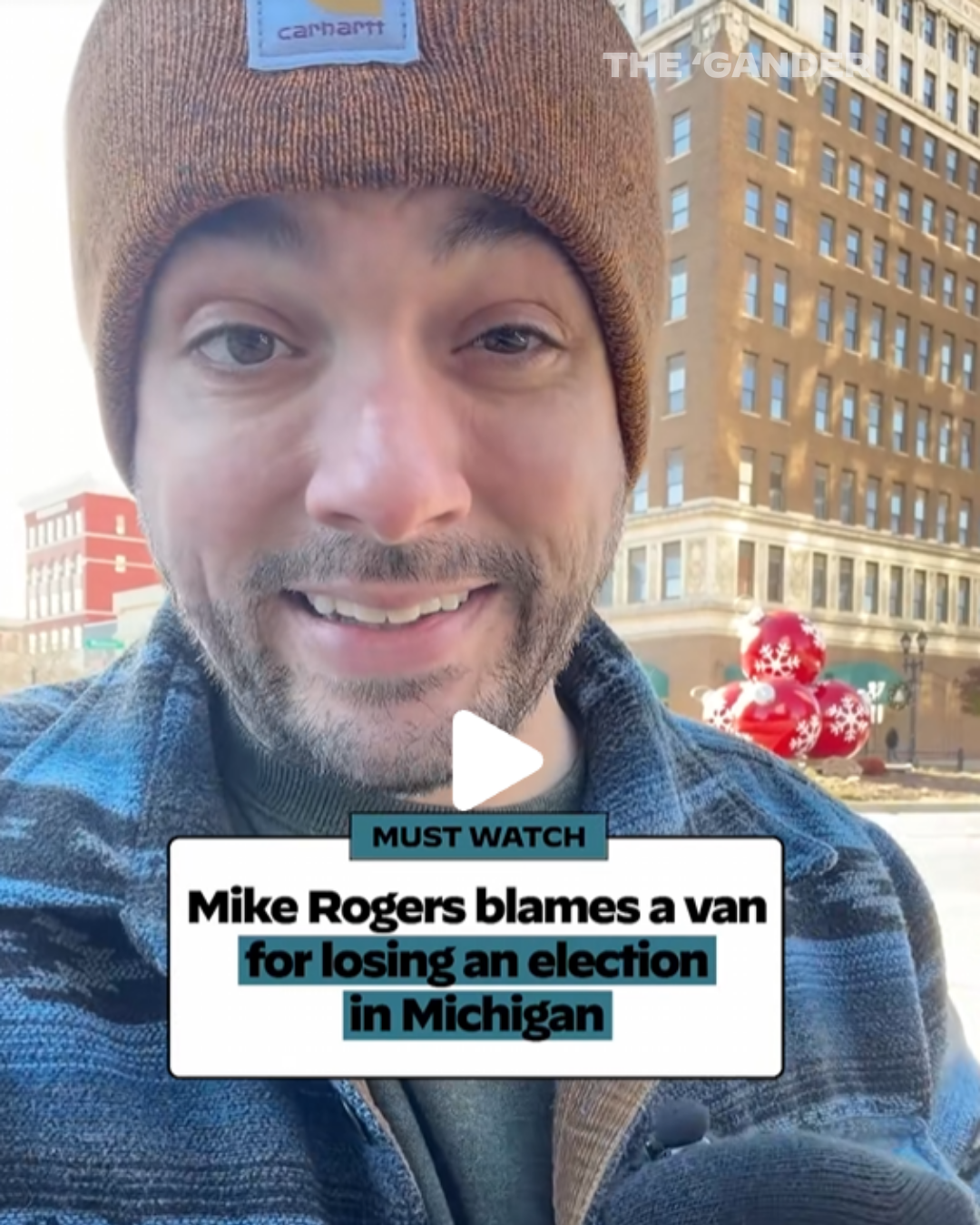
A US Senate candidate is now blaming his 2024 loss on a “mystery van” that supposedly rolled into Detroit with tens of thousands of ballots.
The only problem? None of that actually happened—and the real details tell a very different story.
The ’Gander’s Kyle Kaminski has a breakdown of what Mike Rogers is claiming…and the facts.
Plus: Let’s talk about media literacy.
|
|
|
MI Supreme Court proposes banning civil arrests at courthouses (MI Advance): Michigan’s Supreme Court is weighing a new rule that would bar civil arrests, including most ICE detentions, inside courthouses. Supporters say the move would improve public safety and ensure people aren’t scared away from seeking justice, while critics question whether the court should take up the issue. The proposal is open for public comment through Dec. 22.
Trump admin issues order extending coal plant operations (AP News): The Trump administration has again extended operations at Michigan’s J.H. Campbell coal plant, which was slated to close last spring as Consumers Energy shifts to cleaner power. Federal officials say the plant is needed to prevent blackouts, while critics argue the “emergency” claims don’t hold up. The plant will now stay open until at least Feb. 17.
Rail line study set to be completed by winter (WNEM): A long-awaited study on a potential north–south passenger rail line across Michigan is nearing completion, with final route, cost, and ridership analyses expected this winter. Consultants are narrowing down service options and examining station locations from Clare to Durand, drawing lessons from rail projects in Minnesota, New England, and Illinois. Community meetings on the proposed route are planned for early 2026, alongside a public survey and a new project website.
|
|
|
Mike Rogers lost his US Senate race by 19,000 votes last year.
He conceded.
But now he’s blaming a mysterious “van in Detroit” for the loss?
Political correspondent Kyle Kaminski has the story in the latest edition of “so what, Michigan?”
|
|
|
Your secret weapon against misinformation
|
“The real opposition is the media. And the way to deal with them is to flood the zone with…” We won’t finish that quote from Steve Bannon, but suffice to say, the expletive he ended with essentially means disinformation.
Misinformation, which is defined as false, misleading, or manipulated content presented as fact, comes in many forms. When it’s shared deliberately to mislead, it becomes disinformation, a favorite tool of authoritarian leaders and regimes.
Why do they do it? First, to create false narratives that keep supporters convinced power must stay in certain hands. Second, to distract the public from whatever bad faith efforts they are pulling off out of view.
The antidote is media literacy. That includes:
|
-
Knowing how to distinguish between news, opinion, analysis and commentary.
- Finding credible media outlets you trust and fact-checking the news you consume from them.
- Learning how to identify altered images, deepfake videos, and AI-generated content.
|
In an era of accessible AI technology, rising polarization, and a declining trust in the mainstream media, we are more vulnerable to disinformation than ever. But knowledge is power: The more informed you are, the harder it is to be manipulated.
|
|
|
Would you recommend this newsletter to your neighbor?
|
|
|
Reach 190,000+ ’Ganders who care about their communities! Sponsor The ’Gander’s Dec. 6 Special Edition, “How to Get Involved and Give Back this Holiday Season.” Book by Nov. 21, 2025, and save 20% off your placement.
Click here to get started.
|
|
|
Thanks for reading. This newsletter was written by Karel Vega with a story from Kyle Kaminski. It was edited by Paula Solis.
The ’Gander is free for everyone. Your support makes our work possible.
|
|
|
You are receiving this email because you opted in via our website.
The ’Gander / COURIER Newsroom
611 Pennsylvania Ave. SE
Washington, DC 20003-4303
Want to change how you receive these emails?
You can update your preferences or from this list.
|
|
|
|