Election Day is less than a month away, and while most of the attention is on the candidates, there’s another important question waiting for Michigan voters on the ballot.
Every 16 years, Michiganders get to decide whether to hold a constitutional convention, or “con-con,” that could open the door to major changes to the state’s Constitution.
But before you cast your ballot, it’s important to understand what you’re actually voting for.
From what a passing vote would do, to an expert’s thoughts on the issue, read on for everything you need to know about Michigan’s “con-con” question.
|
|
|
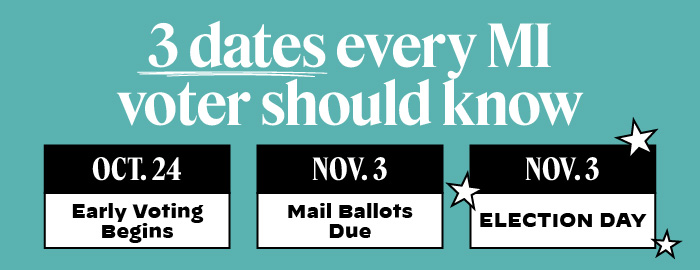
🔔 One important Note: Monday, Oct. 19, is the last day to register to vote online in Michigan. After that, you’ll have to head to your local clerk’s office, where registration is available up to and on Election Day by 8 p.m.
And if you’re still getting up to speed on this year’s election, we’ve got you covered. Visit The ’Gander’s Voting Guide for the latest on the candidates and where they stand on major issues, your voting rights, and everything else you need to know before heading to the polls.
|
|
|
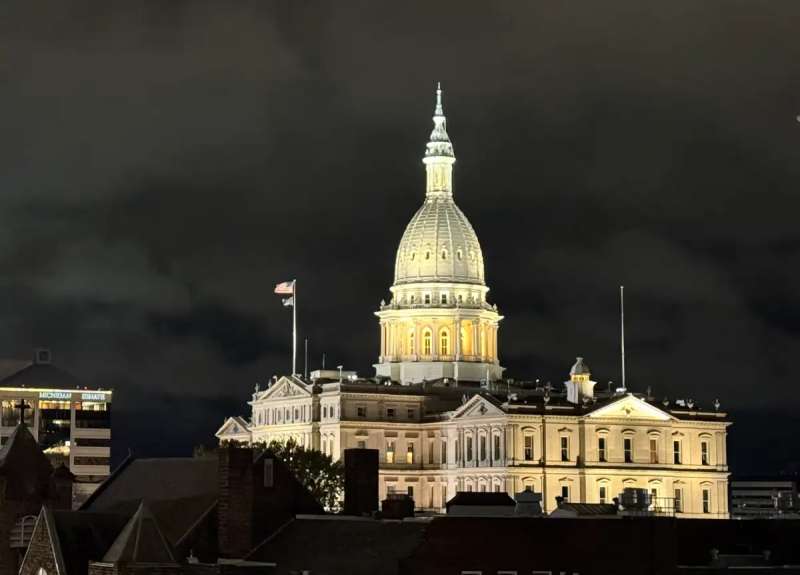
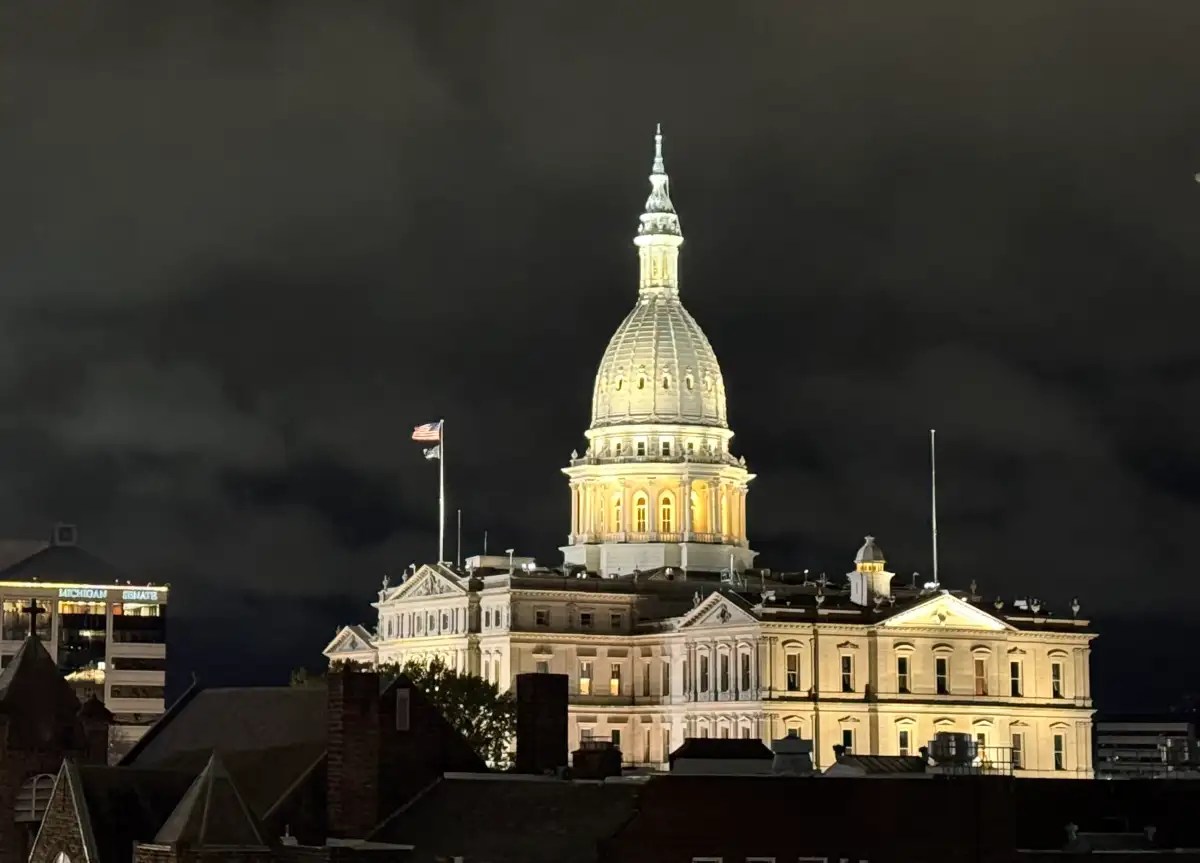
If Michiganders did vote in favor of holding a constitutional convention at the ballot box this fall, it would trigger a convention in Lansing in October 2027. (Lucas Henkel/The ‘Gander)
|
By Lucas Henkel
How much would you trust 148 elected delegates from Michigan to rewrite your fundamental rights in the state?
The question will become a reality for Michigan voters on Nov. 3, when they face Proposal 1 on their ballots. The proposal—also called a referendum or ballot referral—comes around every 16 years, and asks Michiganders whether or not they want to convene a constitutional convention, or a “con-con,” to amend the state’s Constitution.
If the proposal passes, it would trigger a convention in Lansing in October 2027. During this time, 148 elected delegates would be able to propose changes to the state Constitution, from minor tweaks to a complete rewrite. There’s no set agenda, guardrails, or timeline for how long the process would take—and when the delegates finish their revisions, Michiganders would be asked to give final approval in a special election.
|
|
|
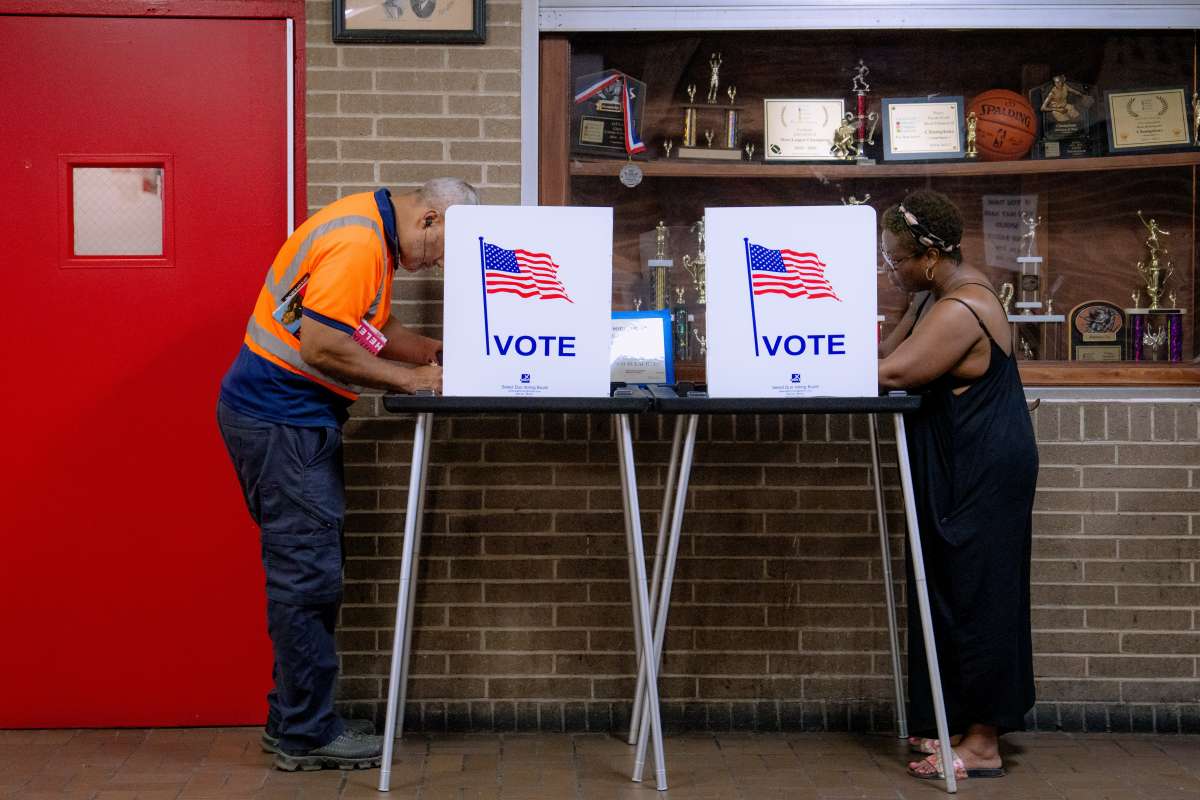
People vote in the primary election at Northwestern High School in Detroit, Tuesday, Aug. 4, 2026. (AP Photo/Nic Antaya)
|
By Kristine Gill
Michigan voters will head to the polls soon to cast their ballots for leadership roles across the state and in Congress. And while there, they’ll also fill in a bubble about an issue that could redefine the Great Lakes State entirely. Proposal 1 will ask whether voters want to convene a constitutional convention—which one expert described as opening Pandora’s box.
Quinn Yeargain, an associate professor of law at Michigan State University, explained that every 16 years, the state considers a rewrite of their most formative document through what’s known as a constitutional convention.
“With most constitutional convention questions, the biggest fear is the unknown,” Yeargain said. “While no constitution is perfect, the fact that convention delegates would be virtually unrestricted in the changes that they could propose to the constitution is a frightening prospect.”
|
|
|
Want deeper coverage of Michigan politics? Our free Thursday newsletter, This Week in Michigan Politics, breaks down what’s happening in Lansing and Washington—clearly and without the jargon.
With the midterms approaching, we’ll keep you informed on what could affect your day-to-day life.
Interested?
|
|
|
Enjoying this newsletter?
|
|
|
|
You are receiving this email because you opted in via our website.
Our mailing address is:
The ’Gander / COURIER Newsroom
3229 Greenpoint Ave., PMB 532
Long Island City, New York 11101
Want to change how you receive these emails?
You can update your preferences or from this list.
|
|
|
|