By Bauyrzhan Zhaxylykov, Capital News Service
Only about 5% of rural Michigan residents say they would choose an electric vehicle as their next car, according to a University of Michigan survey of more than 1,000 residents in rural ZIP codes statewide.
The findings come as Michigan works to expand electric vehicle use under its climate and clean energy goals, while rural communities continue to face challenges related to cost, charging access and long driving distances.
Researchers say some of those barriers are real, but others stem from misinformation.
That misinformation is especially common about home charging.
“There are so many people I talk to who say the same thing, like, ‘Oh, I can’t charge overnight,’” said Sabina Tomkins, an assistant professor of information at U-M and one of the study’s authors.
“I don’t really know where that information comes from. I think a lot of the time people just have this belief without checking it,” Tomkins said.
Survey data suggests those concerns are often overstated.
The study found that about 42% of respondents believed they could not charge a battery-equipped electric vehicle overnight at home.
However, researchers estimated that about 75% of those surveyed could meet their daily driving needs with a Level 2 home charger, even during winter.
Many respondents said they drive “too much in a day” for an electric vehicle, but a review of the data suggested otherwise.
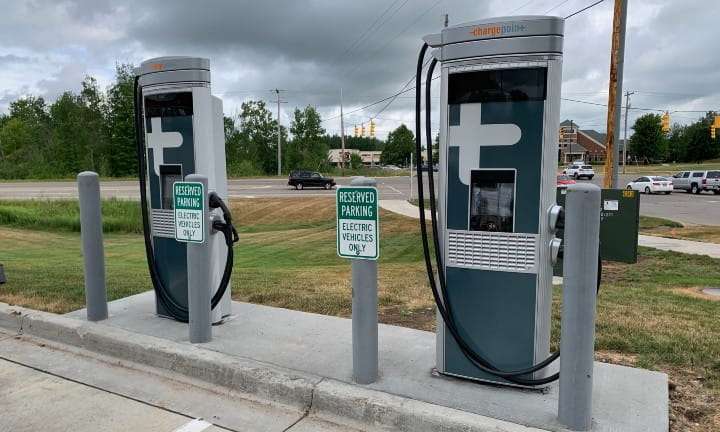
While home charging may be more feasible than many people believe, access to public charging stations remains a major barrier.